Deep within our cells lies a microscopic waste disposal system that may hold the key to combating one of aging's most insidious culprits: senescent cells. Often called "zombie cells," these biological delinquents refuse to die while spewing inflammatory compounds that accelerate tissue degeneration. Recent research has shifted focus toward the lysosome - the cell's equivalent of an incinerator - as a potential target for eliminating these harmful entities.
The scientific community has long recognized the paradoxical nature of senescent cells. While they initially serve as protective mechanisms against cancer by preventing damaged cells from proliferating, their accumulation creates a toxic microenvironment that fuels chronic inflammation and age-related diseases. Traditional approaches to clear these cells, known as senolytics, often lack precision, sometimes damaging healthy cells in the process. This has led researchers to explore more sophisticated targeting methods.
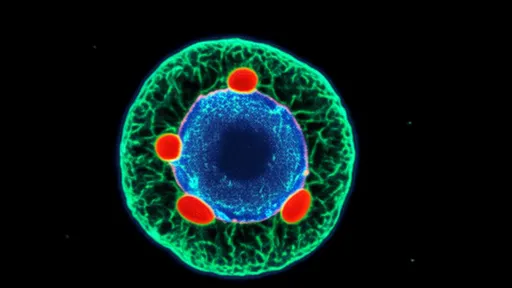
Lysosomes, the spherical organelles filled with digestive enzymes, have emerged as unexpected allies in this cellular cleanup operation. These membrane-bound structures function as the cell's recycling center, breaking down waste materials and cellular debris. What makes them particularly interesting is their increased activity in senescent cells, presenting a unique vulnerability that scientists are learning to exploit.
A groundbreaking study published in Nature Cell Biology revealed that senescent cells maintain an unusually high lysosomal membrane permeability. This biological quirk essentially leaves their "incinerator doors" slightly ajar, creating an opportunity for targeted intervention. Researchers developed a compound that specifically accumulates in senescent cells and induces lysosomal membrane disruption, triggering a form of programmed cell death called lysosomal-dependent cell death.
The therapeutic potential of this approach extends far beyond anti-aging applications. In animal models, lysosome-targeted senolysis has shown remarkable efficacy in treating idiopathic pulmonary fibrosis, a fatal lung disease characterized by excessive senescent cell accumulation. Treated mice exhibited significantly improved lung function and reduced fibrotic tissue, with minimal side effects compared to conventional senolytic drugs.
What sets this strategy apart is its elegant selectivity. Healthy cells maintain tighter control over their lysosomal membranes and possess more efficient repair mechanisms, making them less susceptible to the treatment. This built-in discrimination could address one of the major limitations of current senolytic therapies - their tendency to affect non-senescent cells and cause undesirable side effects.
The pharmaceutical industry has taken notice of these developments, with several biotech startups racing to develop lysosome-targeting senolytics. Early-stage clinical trials are expected to begin within the next two years, focusing initially on age-related fibrotic diseases before expanding to broader indications. Investment in this niche has surged dramatically, reflecting growing confidence in lysosomal approaches to cellular senescence.
However, significant challenges remain before these therapies reach mainstream clinical use. Researchers must still determine optimal dosing regimens to ensure complete senescent cell clearance without triggering excessive cell death that could impair tissue function. There are also open questions about potential long-term effects of repeatedly eliminating senescent cell populations, which may play transient beneficial roles in wound healing and tumor suppression.
Beyond pharmaceutical interventions, the discovery has sparked interest in lifestyle approaches that might enhance natural lysosomal function. Preliminary evidence suggests that certain dietary patterns and exercise regimens may help maintain lysosomal efficiency, potentially slowing the accumulation of senescent cells. While these approaches won't replace targeted therapies, they could provide complementary benefits for healthy aging.
The implications of successful lysosome-targeted senolysis extend to numerous age-related conditions. From osteoarthritis to atherosclerosis, and even neurodegenerative diseases, the ability to selectively remove senescent cells could transform how we approach these chronic conditions. Some researchers speculate that combining lysosomal activation with other senolytic strategies might yield synergistic effects, offering more comprehensive clearance of problematic cell populations.
As the research progresses, ethical considerations are coming into focus. The potential to significantly extend healthspan raises questions about equitable access and the societal impact of delayed aging. Moreover, the very definition of aging might need reevaluation if we develop effective means to remove one of its fundamental biological drivers.
The lysosome, once viewed as a simple cellular trash bin, has taken center stage in one of the most promising frontiers of biomedical research. Its transformation into a precision weapon against zombie cells exemplifies how revisiting basic cell biology can yield unexpected therapeutic breakthroughs. While challenges remain, the prospect of harnessing our cells' own waste disposal system to combat aging-related damage represents a fascinating convergence of fundamental biology and clinical innovation.

By /Aug 18, 2025

By /Aug 18, 2025

By /Aug 18, 2025

By /Aug 18, 2025

By /Aug 18, 2025

By /Aug 18, 2025

By /Aug 18, 2025

By /Aug 18, 2025

By /Aug 18, 2025

By /Aug 18, 2025

By /Aug 18, 2025

By /Aug 18, 2025
By /Aug 18, 2025

By /Aug 18, 2025

By /Aug 18, 2025

By /Aug 18, 2025

By /Aug 18, 2025

By /Aug 18, 2025

By /Aug 18, 2025

By /Aug 18, 2025
