The Evolution of Free Zones: From Trade Promotion to Dynamic Cross-Border Ecosystems

Oct 10, 2025 By

The transformation of free zones represents one of the most significant developments in global economic policy over the past half-century. What began as simple enclaves for tariff-free manufacturing and trade has evolved into sophisticated ecosystems driving innovation, international cooperation, and regional development. This evolution reflects broader shifts in how nations approach economic growth, international trade, and global supply chain integration.


The traditional concept of free zones emerged in the mid-20th century as instruments for promoting export-oriented industrialization. Countries established these designated areas with special regulations and incentives to attract foreign investment, create employment, and boost exports. The early models focused primarily on manufacturing and processing activities, offering companies streamlined customs procedures, tax benefits, and relaxed regulatory requirements. These zones became crucial tools for developing economies seeking to integrate into global value chains without undertaking comprehensive nationwide reforms.


Throughout the 1980s and 1990s, free zones proliferated across Asia, Latin America, and the Middle East. The success stories of places like Singapore's Jurong Port, Dubai's Jebel Ali, and China's Special Economic Zones demonstrated the potential of these designated areas to catalyze economic transformation. However, these remained largely isolated from their host economies, functioning as economic islands with limited spillover effects. The focus remained on cost advantages and basic infrastructure rather than creating sustainable economic ecosystems.


The turn of the millennium marked the beginning of a fundamental shift in how policymakers and investors viewed free zones. Globalization, digitalization, and changing production patterns forced a reevaluation of the traditional free zone model. The emergence of global value chains meant that companies sought not just cost advantages but also access to skilled labor, technology transfer, and connectivity to multiple markets. This realization sparked the first wave of transformation toward more integrated economic zones.


Modern free zones have evolved into comprehensive economic ecosystems that extend far beyond their physical boundaries. Today's leading zones function as hubs for innovation, knowledge exchange, and cross-border collaboration. They integrate manufacturing with research and development, logistics, financial services, and digital infrastructure. The most advanced examples, such as Dubai's various specialized zones or Singapore's one-north innovation district, have become testing grounds for new regulatory approaches and business models.


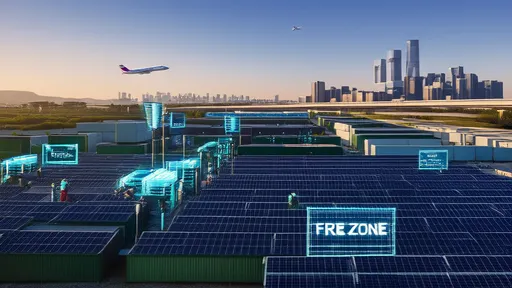
The digital revolution has been particularly transformative for free zones. Advanced zones now incorporate smart infrastructure, digital governance platforms, and connectivity solutions that enable seamless operations across borders. The integration of blockchain technology for customs clearance, artificial intelligence for supply chain optimization, and Internet of Things for facility management has redefined what constitutes competitive advantage in these specialized economic areas.


Perhaps the most significant development has been the shift from isolated economic enclaves to networked ecosystems. Leading free zones now form part of global networks, collaborating with similar zones in other countries to create integrated cross-border value chains. This networking allows companies to leverage complementary strengths across different jurisdictions, accessing varied talent pools, market opportunities, and regulatory environments. The emergence of bilateral and multilateral agreements between free zones represents a new frontier in international economic cooperation.


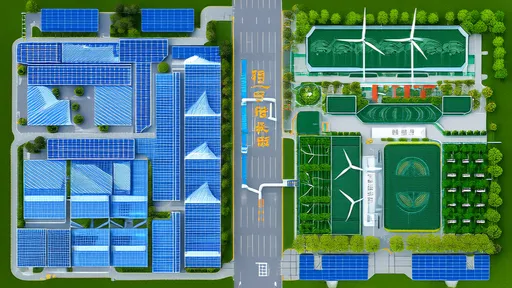
Sustainability has become another critical dimension of the modern free zone evolution. Environmental considerations, social responsibility, and governance standards are now integral to zone development and operation. Green building standards, renewable energy integration, waste management systems, and community engagement programs have transformed free zones from purely economic instruments into models of sustainable development. This shift responds not only to environmental imperatives but also to changing investor and consumer preferences.


The COVID-19 pandemic accelerated several trends in free zone evolution, particularly regarding digital transformation and supply chain resilience. Free zones that had invested in digital infrastructure and diversified supply chains demonstrated remarkable resilience during global disruptions. This experience has reinforced the importance of building flexible, adaptable economic ecosystems capable of weathering future shocks. The pandemic also highlighted the value of free zones as platforms for regional cooperation in crisis response and economic recovery.


Looking ahead, the evolution of free zones continues toward even more integrated and intelligent ecosystems. The concept of "free zones 4.0" encompasses fully digital operations, advanced regulatory sandboxes, and deep integration with local innovation ecosystems. These next-generation zones will likely focus on specific high-value sectors such as advanced manufacturing, digital services, biotechnology, and green technologies. They will serve as living laboratories for new approaches to regulation, urban planning, and international cooperation.


The role of free zones in facilitating cross-border data flows and digital trade represents another frontier in their evolution. As digital commerce becomes increasingly important, free zones are positioning themselves as trusted environments for cross-border data exchange, digital services, and e-commerce logistics. This requires not only technical infrastructure but also sophisticated regulatory frameworks that balance openness with security and privacy concerns.


Regional integration initiatives are also driving new models of free zone development. Cross-border free zones and economic corridors are emerging as tools for deeper regional economic integration. These initiatives combine infrastructure development with policy coordination across multiple jurisdictions, creating larger markets and more complex value chains. The success of such models depends on unprecedented levels of international cooperation and policy harmonization.


The human dimension of free zone evolution deserves particular attention. Modern free zones are increasingly focused on creating attractive living and working environments that can draw global talent. This includes not only physical infrastructure but also cultural amenities, educational institutions, and healthcare facilities. The most successful zones recognize that attracting and retaining skilled professionals requires creating complete ecosystems that support both professional and personal needs.


Measurement and evaluation frameworks for free zones are also evolving. Beyond traditional metrics like investment volume and job creation, modern assessment includes indicators for innovation output, environmental performance, social impact, and ecosystem connectivity. This comprehensive approach to evaluation reflects the multifaceted role that free zones now play in economic development.


The future trajectory of free zone evolution will likely be shaped by several key trends. The accelerating digital transformation of global trade, the imperative of sustainability, changing patterns of globalization, and emerging technologies will all influence how free zones develop. Successful zones will need to balance flexibility with stability, innovation with regulation, and global integration with local development. The ability to anticipate and adapt to these changing dynamics will determine which free zones remain relevant in the coming decades.


As free zones continue to evolve, they face both opportunities and challenges. The opportunities include playing a leading role in the transition to more sustainable and inclusive economic models, facilitating the adoption of emerging technologies, and serving as bridges between different economic systems. The challenges include navigating increasing geopolitical tensions, adapting to rapidly changing technological landscapes, and demonstrating continued relevance in an increasingly interconnected global economy.


The evolution from simple trade promotion tools to dynamic cross-border cooperation ecosystems represents a remarkable journey of adaptation and innovation. Free zones have proven themselves to be remarkably resilient institutions, capable of reinventing themselves to meet changing economic realities. As globalization enters a new phase characterized by both integration and fragmentation, free zones may play an increasingly important role in building bridges and creating spaces for international cooperation.


This ongoing transformation underscores the importance of viewing free zones not as static policy instruments but as dynamic platforms for economic experimentation and international collaboration. The most successful free zones of the future will likely be those that can balance multiple objectives—economic efficiency, social inclusion, environmental sustainability, and international cooperation—while remaining agile enough to adapt to unexpected challenges and opportunities.


The story of free zone evolution is ultimately a story about the changing nature of global economic integration. From isolated enclaves to interconnected ecosystems, free zones have mirrored and sometimes anticipated broader trends in how countries and companies engage with the global economy. Their continued evolution will provide valuable insights into the future of international trade, investment, and cooperation in an increasingly complex and interconnected world.


Recommend Posts
Business

China Free Trade Zone Export Processing Zone Association: Promoting Comprehensive Bonded Zones to Link Global Resources

By /Oct 10, 2025

The China Free Trade Zone Export Processing Zone Association has been spearheading a quiet revolution in global trade connectivity, positioning comprehensive bonded zones as critical nodes in the international supply chain. These specialized economic areas, once perceived merely as tax-advantaged storage facilities, have evolved into sophisticated hubs that facilitate seamless integration between Chinese manufacturing capabilities and global market demands.
Business

Executive Leadership Program Showcases at World Free Zone Conference, Cultivating Future Industry Leaders

By /Oct 10, 2025

The global stage of the World Free Zone Organization (World FZO) Annual International Conference and Exhibition witnessed a significant moment for executive development as the industry's premier leadership program made its debut before an international audience of trade zone professionals, policymakers, and economic strategists. The unveiling was not merely the presentation of a new curriculum but a strategic declaration of intent to address one of the most pressing challenges facing the special economic zones sector: the cultivation of a new generation of visionary leaders equipped to navigate an era of unprecedented complexity.
Business

Global Leaders Converge in Hainan to Shape Future of Free Trade Zones

By /Oct 10, 2025

The coastal province of Hainan witnessed an unprecedented gathering this week as representatives from over seventy nations assembled at the Boao Forum for Asia to deliberate on the evolution of free trade zones. Against the backdrop of lingering global economic uncertainties and shifting trade dynamics, this congregation marks a pivotal moment in international economic cooperation. The three-day summit, themed "Free Trade Zones as Engines of Global Prosperity," brought together trade ministers, policy architects, corporate leaders, and academic experts in what many participants described as the most significant multilateral dialogue on trade facilitation since the pandemic.
Business

China's Growing Influence in Global Free Zones Discourse

By /Oct 10, 2025

The World Free Zone Organization's annual conference has emerged as a pivotal platform where China is steadily reshaping international conversations about special economic zones. As the global economy navigates unprecedented challenges, China's sophisticated approach to free zone development offers compelling alternatives to traditional models. The country's participation in these international dialogues represents more than mere attendance—it signifies a strategic repositioning within global economic governance structures.
Business

Secretary-General of the International Road Transport Union Delivers Keynote Speech at World Free Zone Conference

By /Oct 10, 2025

The World Free Zones Organization annual conference opened today with a powerful keynote address from Umberto de Pretto, Secretary General of the International Road Transport Union (IRU), who delivered a compelling vision for the future of global trade corridors and their relationship with special economic zones.
Business

Free Trade Zone Conference Focuses on the Transformation and Development Practice of China's Free Trade Ports

By /Oct 10, 2025

The global economic landscape is witnessing a profound transformation, and at the heart of this shift are China's burgeoning Free Trade Ports (FTPs). As the world's free zone community gathers for its annual congress, the development trajectory of these ports has emerged as a subject of intense international scrutiny and admiration. Far from being mere replicas of traditional special economic zones, China's FTPs represent a sophisticated, multi-layered experiment in trade liberalization, regulatory innovation, and economic integration.
Business

Hainan Free Trade Port Construction Experience Becomes a Focus Topic at the World Free Zone Conference

By /Oct 10, 2025

The tropical island of Hainan, once known primarily for its pristine beaches and luxury resorts, has now emerged as a global talking point in economic circles. The ambitious Hainan Free Trade Port (FTP) initiative has captured international attention, becoming a central focus at the recent World Free Zones Organization (World FZO) annual conference. What began as China's southernmost province is rapidly transforming into what experts are calling "the world's largest free trade port," offering valuable lessons in economic liberalization and innovative governance.
Business

Ministerial Joint Communiqué Issued at the World Free Zone Organization Conference, Clarifying Future Development Strategy

By /Oct 10, 2025

The recent World Free Zones Organization conference concluded with a landmark ministerial joint communique that charts a transformative course for special economic zones globally. Against a backdrop of shifting trade patterns and technological disruption, the document represents a fundamental reimagining of how these economic enclaves will operate in the coming decades.
Business

BRICS Free Trade Zone Conference Convened in Hainan to Explore New Paths for Emerging Market Cooperation

By /Oct 10, 2025

The coastal city of Haikou in China's Hainan province recently played host to a significant gathering of economic strategists and policymakers from across the global south. The BRICS Free Zone Conference, held against the backdrop of Hainan's own ambitious free trade port development, brought together delegates from Brazil, Russia, India, China, and South Africa, alongside representatives from newer member nations and observer states. The atmosphere throughout the conference was one of determined optimism, a collective recognition that the traditional pathways to economic cooperation are no longer sufficient for the unique challenges and opportunities facing emerging markets.
Business

Digital Comprehensive Bonded Zone and Green Comprehensive Bonded Zone: Clear Direction for the Transformation of China's Comprehensive Bonded Zones

By /Oct 10, 2025

China's comprehensive bonded zones are undergoing a profound transformation as the nation charts a new course for economic development. These specialized economic zones, once primarily focused on export processing and trade facilitation, are now evolving into sophisticated hubs that integrate digital innovation with environmental sustainability. The dual transformation toward digital and green comprehensive bonded zones represents a strategic shift in China's approach to global trade and domestic economic restructuring.
Business

The First China Comprehensive Free Trade Zone Development International Forum Held

By /Oct 10, 2025

The inaugural International Forum on China Comprehensive Free Trade Zone Development concluded last week in Beijing, marking a significant milestone in China's ongoing efforts to share its development model with global partners. Against the backdrop of rising protectionism and global economic uncertainty, this forum served as a powerful platform for showcasing China's unique approach to economic transformation through specialized trade zones.
Business

Hainan Showcases Key Projects Including Airports and Duty-Free at World Free Zone Conference

By /Oct 10, 2025

Against the backdrop of the World Free Zone Organization conference, Hainan has launched an ambitious campaign to position itself as a global economic hub, showcasing a series of strategic projects that promise to redefine its role in international trade and tourism. The tropical island province, already China's largest special economic zone, is leveraging this prestigious platform to attract foreign investment and expertise for its rapidly expanding infrastructure and commercial initiatives.
Business

Free Zone as a Driving Force in Global Technological Transformation and Supply Chain Reshaping"

By /Oct 10, 2025

In the shifting landscape of global technology and supply chain dynamics, free zones are emerging as unexpected but powerful catalysts for change. These specialized economic areas, once viewed primarily as tax havens or logistical conveniences, have transformed into vibrant ecosystems where innovation meets efficiency. As companies worldwide grapple with technological disruption and supply chain vulnerabilities, free zones offer a unique blend of regulatory flexibility, infrastructure readiness, and collaborative potential that positions them at the forefront of this transformation.
Business

Hainan Airport Network and Air Cargo Business Seek Cooperation through Free Trade Zone Conference

By /Oct 10, 2025

Against the backdrop of the global economic recovery, the Free Zone World Conference has become a pivotal platform for international trade and logistics cooperation. Hainan Airport, leveraging its strategic geographical advantages and policy support, is actively expanding its route network and developing its air cargo business. The conference provides an ideal opportunity for Hainan Airport to showcase its potential and seek partnerships with global industry leaders.
Business

Global Free Trade Zone Conference Approaches, Haikou Hainan International Convention and Exhibition Center Ready for Event

By /Oct 10, 2025

HAIKOU, China – The coastal city of Haikou is buzzing with anticipation as final preparations are completed at the Hainan International Convention and Exhibition Center for the upcoming Global Free Zone Conference. Against the backdrop of Hainan's ambitious free trade port development, this gathering represents a pivotal moment for international trade specialists, policymakers, and economic strategists from across the globe.
Business

The Evolution of Free Zones: From Trade Promotion to Dynamic Cross-Border Ecosystems

By /Oct 10, 2025

The transformation of free zones represents one of the most significant developments in global economic policy over the past half-century. What began as simple enclaves for tariff-free manufacturing and trade has evolved into sophisticated ecosystems driving innovation, international cooperation, and regional development. This evolution reflects broader shifts in how nations approach economic growth, international trade, and global supply chain integration.
Business

Transition of Free Trade Zones: From Trade Enclaves to Innovation Ecosystems Driving Diversified Development

By /Oct 10, 2025

Free zones, once perceived as isolated trade enclaves, are undergoing a profound transformation. These designated areas, traditionally established to boost exports and attract foreign investment through tax incentives and streamlined regulations, are now evolving into dynamic innovation ecosystems. This shift marks a significant departure from their original purpose, positioning free zones as catalysts for broader economic diversification and sustainable development.
Business

Foreign Investment Project Matching Meeting Held, Organizing Key Comprehensive Bonded Zones for One-on-One" Negotiations with Global Enterprises

By /Oct 10, 2025

In a significant move to strengthen global economic ties, a landmark foreign investment project matchmaking conference concluded yesterday, bringing together key comprehensive bonded zones with international corporations for intensive one-on-one negotiations. The event, held at the city's convention center, marked a pivotal moment in cross-border economic cooperation as government officials and business leaders gathered to forge new partnerships.
Business

Global Free Zone Leaders Converge in Hainan for Unprecedented Dialogue

By /Oct 10, 2025

The tropical island of Hainan transformed into an epicenter of global economic discourse this week as policymakers, investors, and free zone specialists from across the world gathered for what many are calling the most significant free zone forum of the decade. Against the backdrop of Hainan's own ambitious free trade port development, the three-day summit brought together voices from Dubai to Singapore, Miami to Rotterdam, creating a melting pot of ideas that could reshape international trade corridors for years to come.
Business

Global Free Zone Conference Exhibition Area Inauguration Showcases Innovative Achievements and Business Opportunities

By /Oct 10, 2025

The Global Free Zones Congress exhibition hall buzzed with an electric energy as delegates from over 140 countries gathered for the ceremonial unveiling of this year's innovation showcase. Against a backdrop of shimmering digital displays and interactive installations, the air thickened with the palpable sense of a new economic dawn. This was not merely another trade exhibition; it was a carefully curated panorama of the future, a tangible manifestation of how specialized economic zones are evolving from mere facilitators of trade into powerful engines of global innovation and symbiotic partnership.