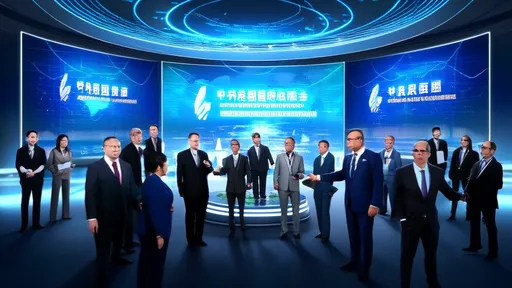
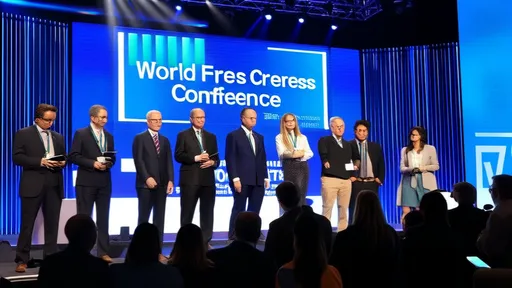
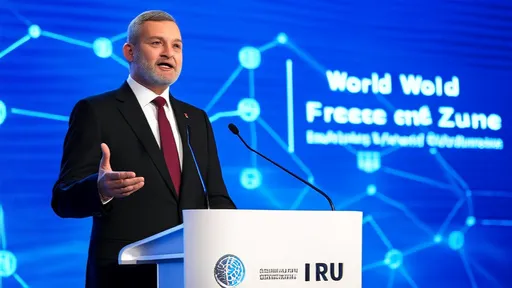
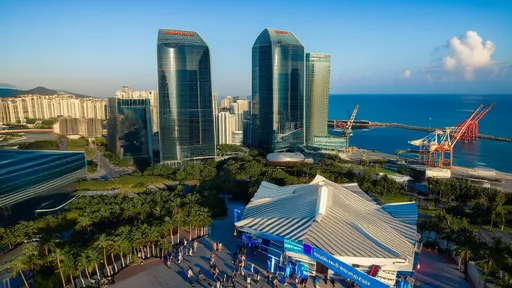
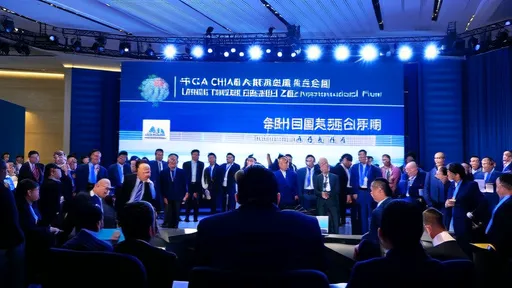
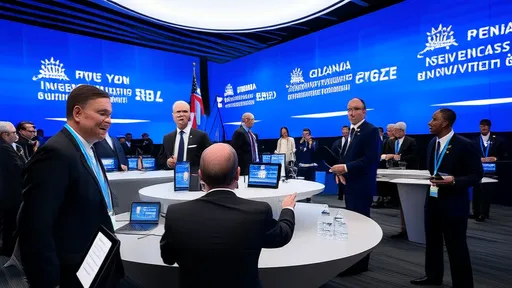
Against the backdrop of the World Free Zone Organization conference, Hainan has launched an ambitious campaign to position itself as a global economic hub, showcasing a series of strategic projects that promise to redefine its role in international trade and tourism. The tropical island province, already China's largest special economic zone, is leveraging this prestigious platform to attract foreign investment and expertise for its rapidly expanding infrastructure and commercial initiatives.
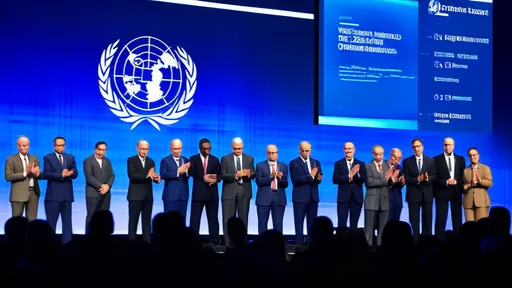
The Hainan Provincial Government has strategically selected the World Free Zone Assembly to unveil these developments, recognizing the event's significance in gathering international trade experts, policymakers, and investors from across the globe. This calculated move demonstrates Hainan's commitment to integrating with global economic networks while advancing its unique development model. The timing coincides with the province's ongoing transformation under China's broader plan to establish Hainan as a free trade port by 2025, with comprehensive liberalization measures expected to be implemented across the island.
Airport Expansion and Aviation Hub Development
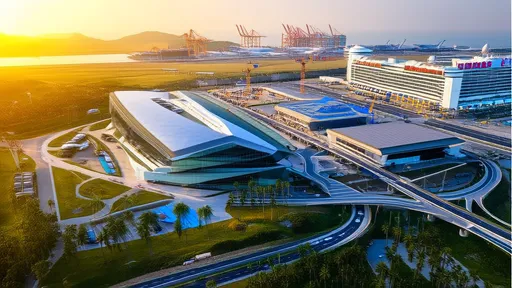
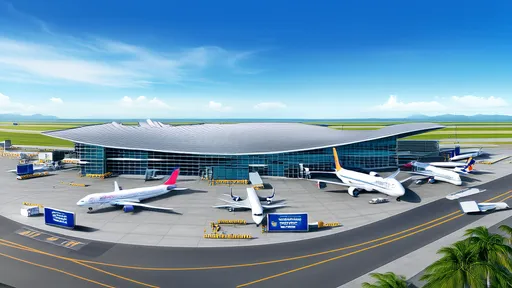
Central to Hainan's presentation was the detailed overview of its aviation infrastructure expansion. The Haikou Meilan International Airport and Sanya Phoenix International Airport are undergoing significant upgrades to accommodate the anticipated surge in passenger and cargo traffic. These developments are not merely about increasing capacity but about creating a sophisticated aviation ecosystem that can support Hainan's growing status as an international business and tourism destination.
The provincial authorities highlighted the construction of a new terminal at Haikou Meilan that will increase annual passenger capacity to over 35 million. This state-of-the-art facility incorporates smart technologies and sustainable design principles, positioning it among the most advanced airport terminals in the Asia-Pacific region. Meanwhile, Sanya Phoenix is expanding its runways and adding dedicated facilities for international luxury travel and cargo operations, recognizing the diverse needs of Hainan's evolving visitor demographics.
What makes these airport developments particularly noteworthy is their integration with Hainan's broader transportation strategy. The airports are being designed as multi-modal hubs that seamlessly connect air travel with high-speed rail, urban transit, and port facilities. This integrated approach aims to create a fluid transportation network that enhances Hainan's accessibility while reducing transfer times for passengers and goods alike.
Duty-Free Sector Transformation
The duty-free shopping sector represents another cornerstone of Hainan's development strategy, with the province already establishing itself as China's premier destination for tax-free retail. During the conference, officials revealed plans to expand the annual duty-free shopping quota from 100,000 yuan to 200,000 yuan per person, while also broadening the range of eligible product categories. This substantial increase reflects the government's confidence in the sector's growth potential and its commitment to making Hainan a competitive global shopping destination.
Industry analysts have observed that Hainan's duty-free sales have skyrocketed in recent years, with the province recording over 60 billion yuan in duty-free purchases during 2022 alone. The expansion of this sector is not limited to quantitative growth but involves qualitative improvements in the shopping experience. New luxury retail complexes are emerging across Haikou and Sanya, featuring international brands that were previously unavailable in the Chinese market outside of special administrative regions.
Beyond mere retail expansion, Hainan is developing a comprehensive luxury goods ecosystem that includes exhibition spaces, product customization services, and after-sales support centers. This holistic approach aims to position Hainan not just as a place to purchase luxury items but as a center for luxury brand experiences and consumer engagement. The strategy appears to be working, with major international luxury conglomerates establishing regional headquarters and logistics centers on the island.
Integrated Resort Development
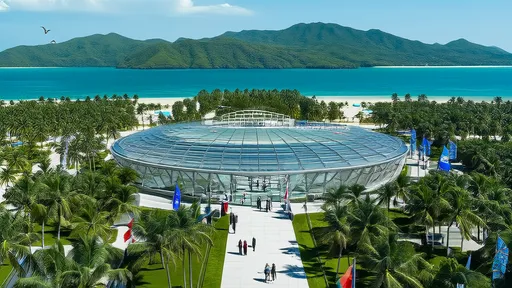
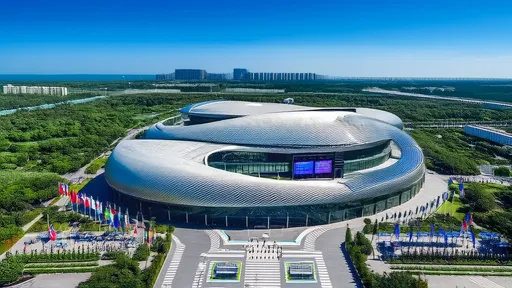
Another significant focus of Hainan's presentation involved the development of large-scale integrated resorts that combine hospitality, entertainment, retail, and convention facilities. These multi-billion dollar projects are designed to attract extended-stay visitors and high-spending tourists, complementing the province's existing tourism offerings. The resorts incorporate internationally recognized hotel brands, world-class entertainment venues, and sophisticated business facilities that can accommodate major international conferences and corporate events.
The resort developments are strategically located to leverage Hainan's natural advantages while providing controlled environments for premium tourism experiences. Many feature exclusive beach access, championship golf courses, and wellness facilities that cater to the growing demand for health and luxury tourism. What distinguishes these projects from conventional resort developments is their integration with local cultural elements and sustainable design principles that reflect Hainan's unique ecological and cultural heritage.
Industry observers have noted that these integrated resorts represent a maturation of Hainan's tourism strategy, moving beyond mass tourism toward more sustainable, high-value tourism models. The emphasis on quality over quantity aligns with global trends in luxury travel and positions Hainan to compete with established premium destinations in Southeast Asia and beyond.
Technology and Innovation Zones
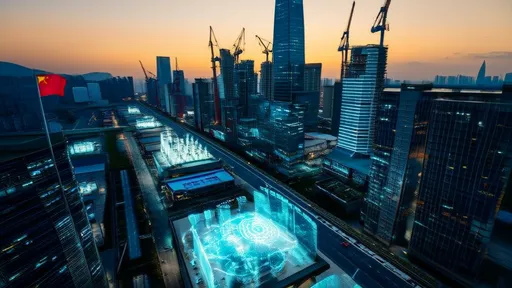
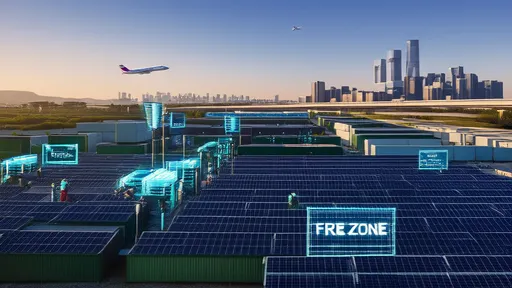
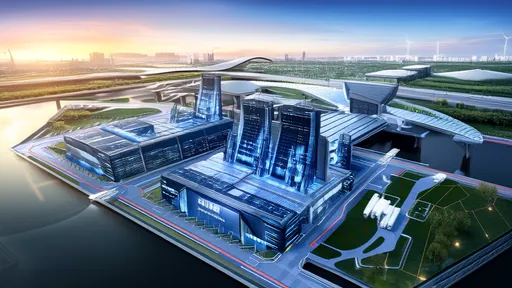
Beyond tourism and retail, Hainan is actively developing specialized zones dedicated to technology and innovation. The Yangpu Economic Development Zone, in particular, has emerged as a focal point for high-tech industries and research institutions. During the conference, officials detailed incentives for companies operating in sectors such as artificial intelligence, biotechnology, and renewable energy, including tax benefits, streamlined regulatory processes, and support for research and development activities.
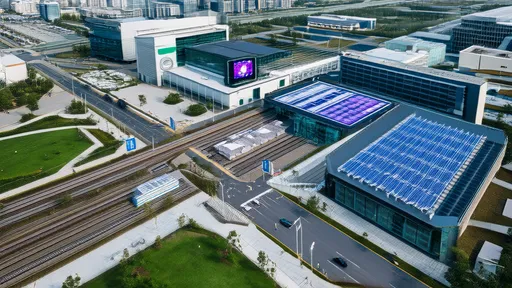
The technology zones are being developed with international standards in mind, featuring advanced infrastructure, reliable high-speed connectivity, and facilities designed to foster collaboration between enterprises, academic institutions, and research organizations. This ecosystem approach to innovation district development has attracted attention from multinational corporations and venture capital firms looking to access China's market through Hainan's favorable business environment.
What makes Hainan's technology strategy particularly interesting is its focus on sectors where the province has natural advantages, such as marine biotechnology and tropical agriculture technology. Rather than attempting to replicate technology hubs elsewhere, Hainan is developing specialized capabilities that leverage its unique geographical and climatic conditions while addressing global challenges in areas like food security and environmental sustainability.
Financial Services Liberalization
The conference also provided a platform to outline Hainan's progressive approach to financial services liberalization. As part of its free trade port development, the province is implementing measures to facilitate cross-border capital flows, establish offshore financial markets, and create a favorable environment for financial innovation. These initiatives include simplified foreign exchange procedures, relaxed restrictions on foreign financial institutions, and pilot programs for new financial products and services.
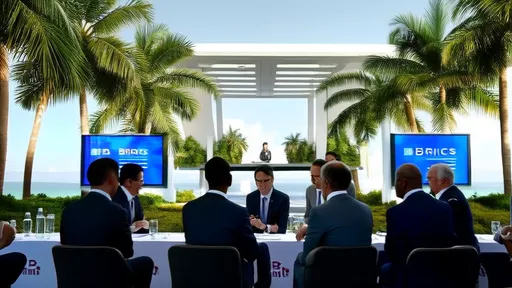
Banking and financial industry representatives at the conference expressed particular interest in Hainan's plans for developing its offshore yuan market and creating special vehicles for cross-border investment. The province's unique position as a free trade port within China's economy offers intriguing possibilities for financial innovation that could bridge domestic and international capital markets while maintaining appropriate regulatory oversight.
Financial sector development in Hainan is not occurring in isolation but is closely integrated with the province's broader economic transformation. The liberalization of financial services supports the growth of other key sectors by improving access to capital, enabling sophisticated risk management, and facilitating international transactions. This interconnected approach to economic development demonstrates the comprehensive nature of Hainan's transformation strategy.
Sustainable Development Commitments
Throughout the presentations, Hainan officials consistently emphasized the province's commitment to sustainable development and ecological conservation. Despite the ambitious scale of its development projects, the province is implementing strict environmental standards and incorporating green technologies across all sectors. This balanced approach recognizes Hainan's ecological value while pursuing economic advancement.
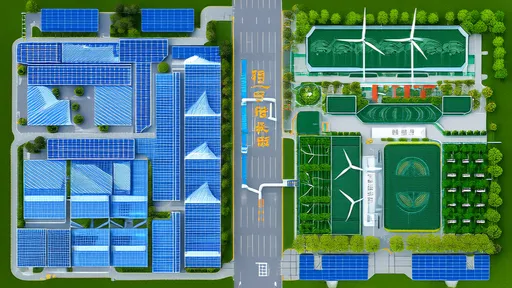
The sustainable development framework includes measures to protect Hainan's tropical forests, maintain coastal water quality, and promote renewable energy adoption. Major projects are subject to rigorous environmental impact assessments and must demonstrate compliance with sustainability criteria. This environmental conscientiousness extends to the tourism sector, where eco-certification programs and responsible tourism initiatives are being implemented to minimize the ecological footprint of the industry's growth.
International observers have noted that Hainan's emphasis on sustainability could become a distinguishing feature of its development model, potentially setting new standards for large-scale economic development in ecologically sensitive regions. The province's approach suggests a recognition that long-term economic success depends on maintaining the natural assets that make Hainan attractive to residents, businesses, and visitors alike.
As the World Free Zone Organization conference concludes, the international business community appears to be viewing Hainan with renewed interest. The comprehensive presentation of the province's development projects, combined with its strategic positioning within China's economy, suggests that Hainan is rapidly evolving from a domestic tourism destination to a multifaceted international business and lifestyle hub. The success of these initiatives will depend not only on continued investment and policy support but also on Hainan's ability to integrate effectively with global economic networks while maintaining its unique character and environmental quality.
By /Oct 10, 2025
By /Oct 10, 2025
By /Oct 10, 2025
By /Oct 10, 2025
By /Oct 10, 2025

By /Oct 10, 2025
By /Oct 10, 2025
By /Oct 10, 2025
By /Oct 10, 2025
By /Oct 10, 2025
By /Oct 10, 2025
By /Oct 10, 2025
By /Oct 10, 2025
By /Oct 10, 2025
By /Oct 10, 2025
By /Oct 10, 2025
By /Oct 10, 2025
By /Oct 10, 2025

By /Oct 10, 2025

By /Oct 10, 2025
