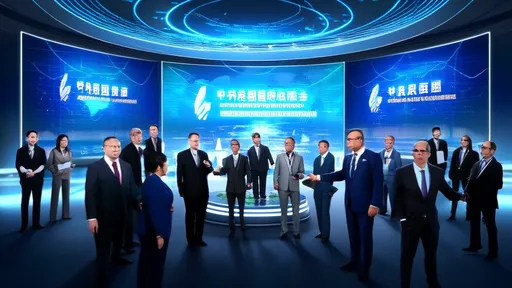
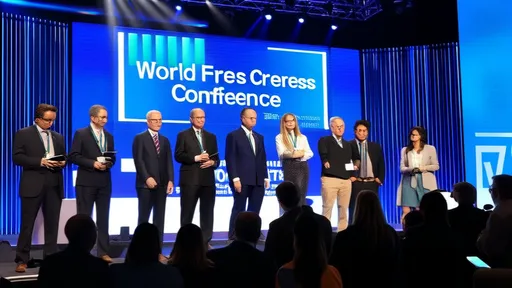
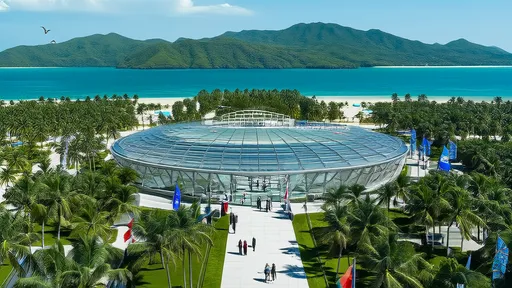
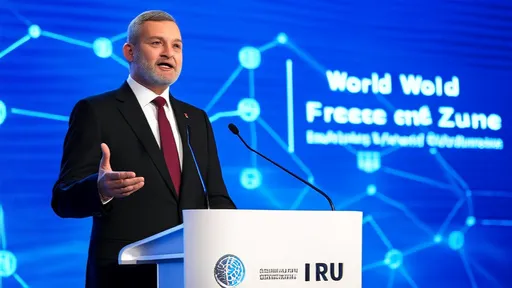
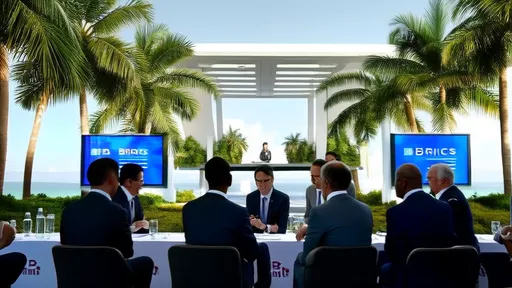
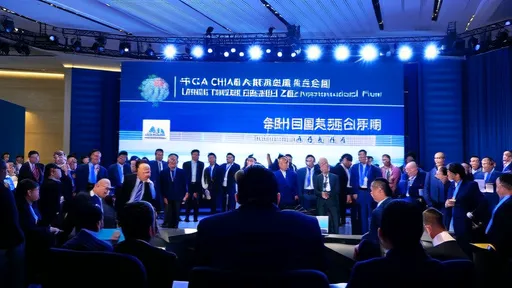
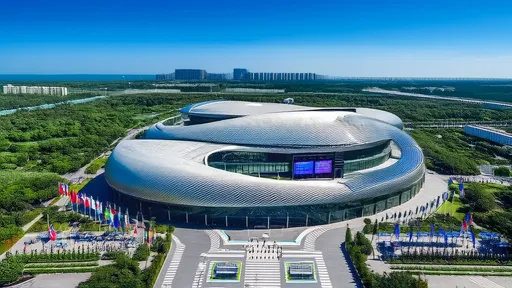
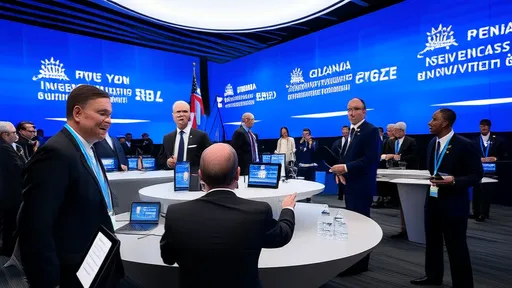
The coastal city of Haikou in China's Hainan province recently played host to a significant gathering of economic strategists and policymakers from across the global south. The BRICS Free Zone Conference, held against the backdrop of Hainan's own ambitious free trade port development, brought together delegates from Brazil, Russia, India, China, and South Africa, alongside representatives from newer member nations and observer states. The atmosphere throughout the conference was one of determined optimism, a collective recognition that the traditional pathways to economic cooperation are no longer sufficient for the unique challenges and opportunities facing emerging markets.
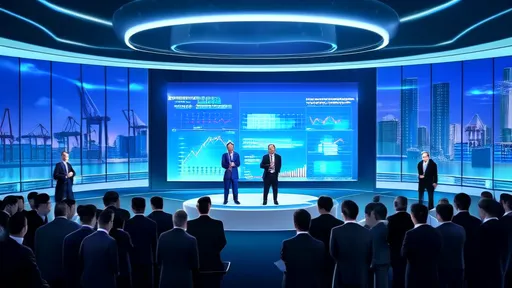
For three intensive days, the conference halls echoed with discussions that went beyond mere trade statistics and tariff reductions. The central theme that emerged was the urgent need to forge what several speakers termed "cooperation 2.0"—a more resilient, inclusive, and digitally-native framework for economic partnership. The old model of simply exchanging raw materials for finished goods is being rapidly supplanted by a more complex and promising vision. This new paradigm emphasizes knowledge sharing, supply chain integration, and the co-creation of value in sectors ranging from renewable energy to digital finance.
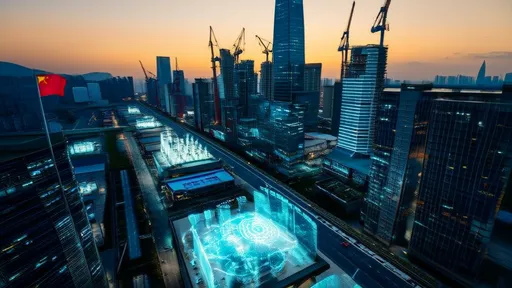
The timing of this conference is particularly significant. The global economic landscape is undergoing a profound reconfiguration, marked by lingering supply chain disruptions, shifting geopolitical alliances, and the accelerating pace of the digital and green transitions. In this context, the BRICS bloc, representing over 40% of the world's population and a growing share of global GDP, finds itself at a pivotal juncture. The discussions in Hainan were not merely academic; they were a practical and concerted effort to define a collective response to these seismic shifts. There was a palpable sense that the bloc is moving from a loose association of large emerging economies toward a more cohesive and strategically aligned coalition.
A dominant thread running through the panels and workshops was the critical role of digital infrastructure. The digital divide remains a formidable barrier to inclusive growth, and there was strong consensus on the need for collaborative projects to build secure and interoperable digital platforms. One senior official from India pointed to the success of its homegrown digital public infrastructure as a potential model for collaboration, suggesting that BRICS could work towards a shared framework for digital payments, data governance, and e-commerce. The goal, as articulated by a Brazilian tech entrepreneur, is to ensure that the next generation of digital ecosystems is built with the specific needs of the Global South in mind, rather than having to adapt to systems designed elsewhere.
Closely linked to the digital conversation was the emphasis on financial sovereignty and alternative payment mechanisms. The heavy reliance on Western-dominated financial networks and currencies for intra-bloc trade was identified as a key vulnerability. Detailed technical sessions explored the practical hurdles and immense potential of expanding the use of local currencies in trade settlements. The New Development Bank, often called the "BRICS Bank," was highlighted as a crucial vehicle for financing the infrastructure projects that will underpin this new cooperation model. The talk was not of dismantling the existing global financial architecture, but of building robust, parallel systems that offer choice, reduce transaction costs, and mitigate geopolitical risk.
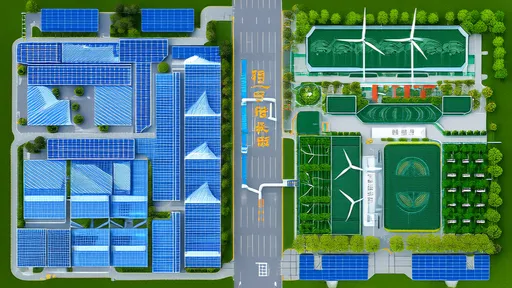
Another area that received considerable attention was the green transition. Unlike some forums where climate discussions can become mired in North-South blame games, the tone in Hainan was notably solution-oriented and collaborative. Delegates from Russia and Brazil, nations rich in natural resources, spoke about sustainable management and the development of green value chains. South African representatives outlined their country's just energy transition plans, seeking investment and technological partnership from within the bloc. There was a shared understanding that the transition to a low-carbon economy represents one of the greatest economic opportunities of the 21st century, and that BRICS nations are uniquely positioned to lead in areas like green hydrogen, critical mineral processing, and solar technology manufacturing.
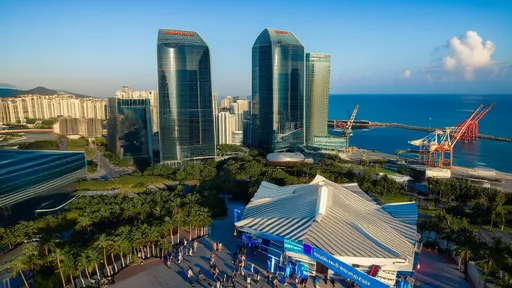
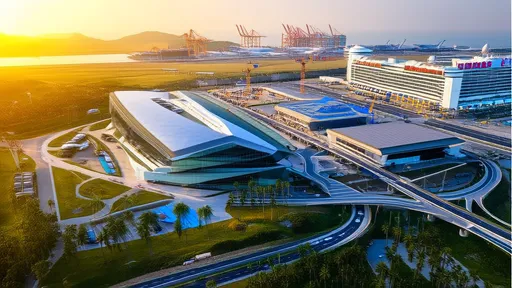
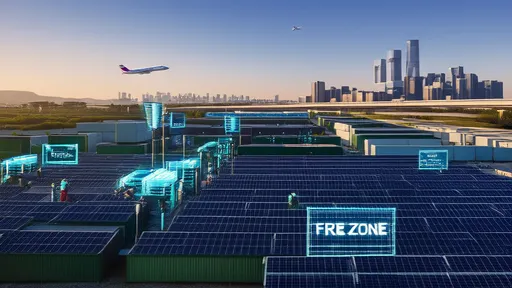
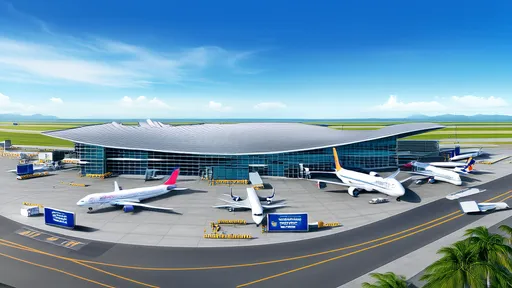
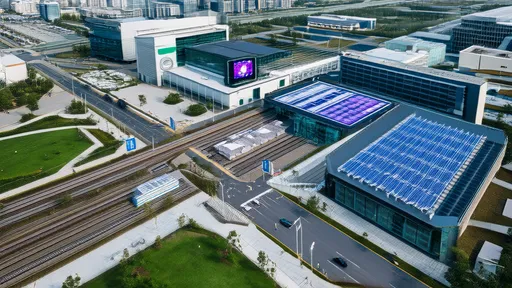
The choice of Hainan as the host venue was deeply symbolic. China is using the island province as a testing ground for its most ambitious economic liberalization policies, aiming to create a world-class free trade port by the middle of this decade. Conference attendees were given tours of the Yangpu Economic Development Zone, where they witnessed firsthand the rapid development of port facilities, industrial parks, and financial services designed to facilitate frictionless trade. The Hainan model served as a tangible, real-world case study for the kind of high-level openness and connectivity that the entire bloc is aspiring to achieve. It provided a powerful visual answer to the theoretical question of what deeper integration could actually look like on the ground.
Of course, the path forward is not without its challenges. The conference did not shy away from difficult conversations about the political and economic heterogeneity within the BRICS alliance. The differing economic structures, regulatory environments, and occasionally divergent geopolitical interests of member states present real obstacles to deep integration. A panel featuring academics from several member countries was particularly frank about these issues, discussing everything from non-tariff barriers and customs harmonization to intellectual property rights and dispute resolution mechanisms. The consensus, however, was that these challenges are not insurmountable. The sheer scale of the potential reward—a more balanced and multipolar global economy—provides a powerful incentive for compromise and creative problem-solving.
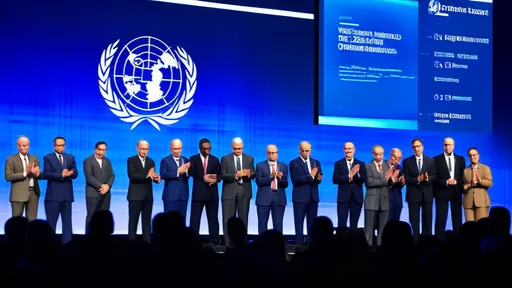
As the conference drew to a close, the closing remarks from the rotating chair summarized the collective mood. The Hainan meeting was not an end in itself, but a crucial waypoint on a longer journey. The working groups established on digital economy, sustainable finance, and customs cooperation are tasked with turning the high-level concepts debated in conference rooms into actionable policy blueprints. The true measure of success for the BRICS Free Zone Conference will be seen in the coming months and years, in the form of signed agreements, launched infrastructure projects, and a tangible increase in trade and investment flows that bypass traditional hubs and channels.
The emergence of this new cooperation pathway signals a quiet but determined shift in the center of gravity of the global economy. The nations of the Global South are no longer content to be passive rule-takers in an system they had little hand in designing. The conversations in Hainan were a clear declaration that they are now active architects, building their own networks, their own institutions, and their own models of prosperity. While the road ahead is long, the BRICS Free Zone Conference has undoubtedly laid another solid stone on the path toward a more diversified and equitable global economic order.
By /Oct 10, 2025
By /Oct 10, 2025
By /Oct 10, 2025
By /Oct 10, 2025
By /Oct 10, 2025
By /Oct 10, 2025
By /Oct 10, 2025
By /Oct 10, 2025
By /Oct 10, 2025
By /Oct 10, 2025
By /Oct 10, 2025
By /Oct 10, 2025
By /Oct 10, 2025
By /Oct 10, 2025
By /Oct 10, 2025
By /Oct 10, 2025
By /Oct 10, 2025
By /Oct 10, 2025

By /Oct 10, 2025

By /Oct 10, 2025
