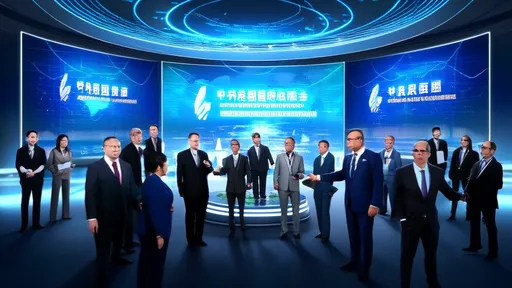
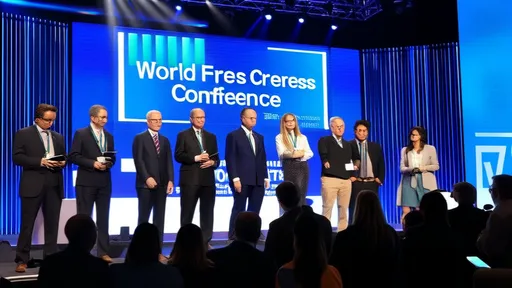
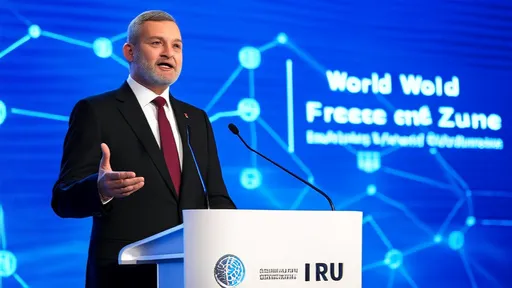
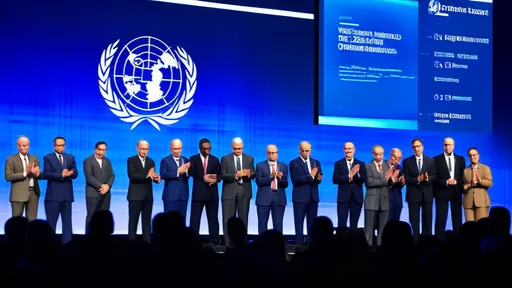
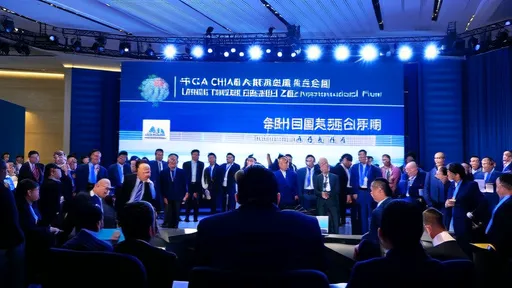
The global economic landscape is witnessing a profound transformation, and at the heart of this shift are China's burgeoning Free Trade Ports (FTPs). As the world's free zone community gathers for its annual congress, the development trajectory of these ports has emerged as a subject of intense international scrutiny and admiration. Far from being mere replicas of traditional special economic zones, China's FTPs represent a sophisticated, multi-layered experiment in trade liberalization, regulatory innovation, and economic integration.
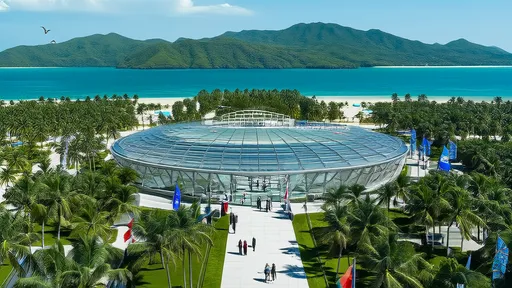
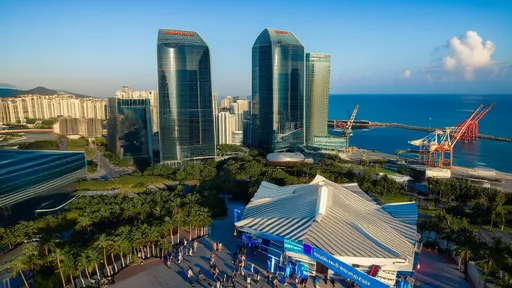
Hainan Free Trade Port stands as the crown jewel in China's ambitious blueprint. The island province's transformation from a tropical tourist destination into a comprehensive free trade port marks one of the most significant economic experiments of our time. What makes Hainan particularly compelling is its holistic approach to liberalization—encompassing trade, investment, capital flows, personnel movement, and data transmission. The phased reduction of import tariffs to zero, coupled with simplified customs procedures, has already begun reshaping regional trade patterns. International observers note that Hainan's development mirrors Singapore's evolution but on a much larger scale and with distinct Chinese characteristics.
The regulatory framework governing these ports represents a delicate balancing act between openness and control. Chinese authorities have implemented what they term "special customs supervision areas" where foreign businesses enjoy unprecedented operational freedom while remaining within China's legal jurisdiction. This innovative approach allows for the testing of new policies in controlled environments before potential nationwide implementation. The success of these regulatory experiments has not gone unnoticed by international trade experts, many of whom see them as potential models for other developing economies seeking to balance economic liberalization with regulatory oversight.
Investment flows tell a compelling story of growing international confidence. Despite global economic uncertainties, foreign direct investment in China's FTPs has shown remarkable resilience. The ports have become magnets for high-value industries, particularly in sectors like biotechnology, artificial intelligence, and financial services. This selective industrial targeting reflects China's broader economic transition toward innovation-driven growth. International corporations are increasingly using these ports as strategic bases for their Asia-Pacific operations, attracted by the combination of market access, policy stability, and infrastructure quality.
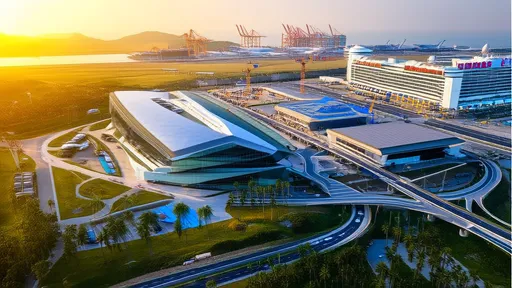
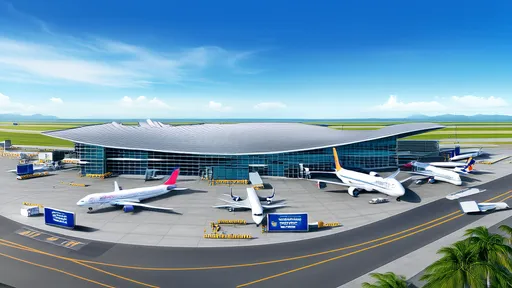
Infrastructure development in these zones has been nothing short of breathtaking. The integration of smart port technologies, automated customs systems, and blockchain-based supply chain management represents a leap forward in trade facilitation. These technological advancements are not merely about efficiency; they're reshaping the very nature of cross-border commerce. The deployment of artificial intelligence in customs clearance, for instance, has reduced processing times from days to hours, while blockchain implementation has brought unprecedented transparency to complex supply chains.
The human dimension of these developments often gets overlooked in economic analyses. The liberalization of visa policies and professional certification requirements has created new pathways for international talent mobility. Highly skilled professionals from around the world are finding opportunities in these zones that simply didn't exist a decade ago. This brain gain is creating dynamic, cosmopolitan business environments that blend international best practices with local market knowledge. The cultural and professional exchanges occurring in these spaces may ultimately prove as significant as the economic transformations.
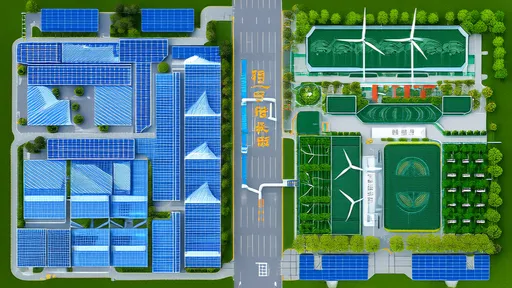
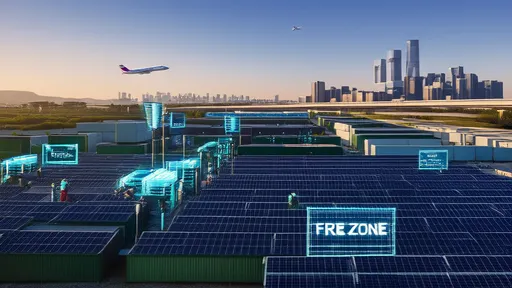
Environmental considerations are increasingly central to the FTP development narrative. Unlike earlier generations of special economic zones that prioritized growth at all costs, China's new FTPs incorporate green development principles from their inception. Renewable energy integration, circular economy models, and stringent environmental standards are becoming defining features of these zones. This ecological consciousness reflects both domestic policy priorities and the expectations of international investors and partners who increasingly factor sustainability into their location decisions.
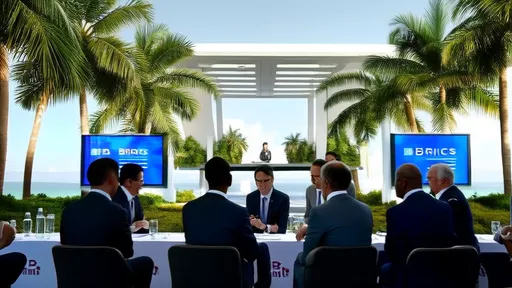
The geopolitical implications of China's FTP strategy cannot be overstated. As traditional global trade frameworks face strain, these ports are positioning China as an alternative hub for international commerce. Their development coincides with China's broader Belt and Road Initiative, creating synergistic effects that extend across continents. The ports serve as both physical and symbolic connectors between China's domestic market and global economic networks. This dual function makes them critical components of China's economic statecraft in an era of renewed great power competition.
Looking ahead, the evolution of China's FTPs will likely influence global trade governance in profound ways. The policies and practices being refined in these laboratories of economic liberalization may eventually inform international standards and agreements. As other nations observe China's experiments with interest, we may see the emergence of new models for managing the tension between national sovereignty and economic globalization. The lessons emerging from China's ports could shape how developing countries approach their own integration into the global economy.
The challenges, of course, remain significant. Balancing economic openness with financial stability, managing the social impacts of rapid development, and navigating complex international relations all present ongoing tests for policymakers. Yet the continued expansion and refinement of China's FTP system suggests confidence in overcoming these hurdles. The world's free zone community watches with keen interest as China writes this new chapter in the history of special economic zones.
What makes China's approach particularly noteworthy is its scalability and adaptability. The policies proven successful in one port can be systematically implemented in others, creating a virtuous cycle of policy innovation. This systematic approach to experimentation and scaling distinguishes China's FTP development from more ad-hoc special economic zone programs elsewhere. It represents a methodical, evidence-based approach to economic reform that balances ambition with pragmatism.
The story of China's Free Trade Ports is still being written, but already it offers valuable insights into the future of global economic governance. As barriers between national economies become more fluid and digital, the experiences of these ports may preview how nations will manage economic integration in the decades to come. Their development represents not just China's economic evolution but potentially a new paradigm for international commerce in the 21st century.
By /Oct 10, 2025
By /Oct 10, 2025
By /Oct 10, 2025

By /Oct 10, 2025
By /Oct 10, 2025

By /Oct 10, 2025
By /Oct 10, 2025
By /Oct 10, 2025
By /Oct 10, 2025
By /Oct 10, 2025
By /Oct 10, 2025
By /Oct 10, 2025
By /Oct 10, 2025
By /Oct 10, 2025
By /Oct 10, 2025

By /Oct 10, 2025

By /Oct 10, 2025
By /Oct 10, 2025

By /Oct 10, 2025

By /Oct 10, 2025
