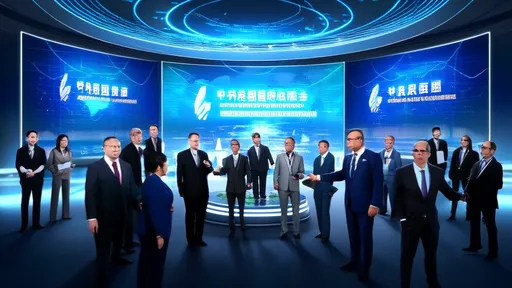
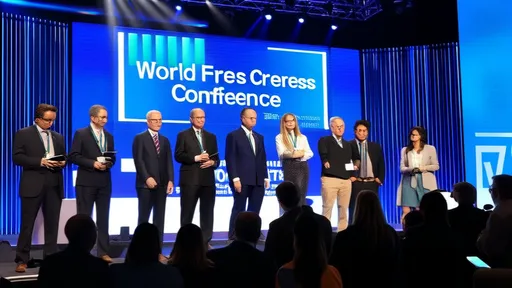
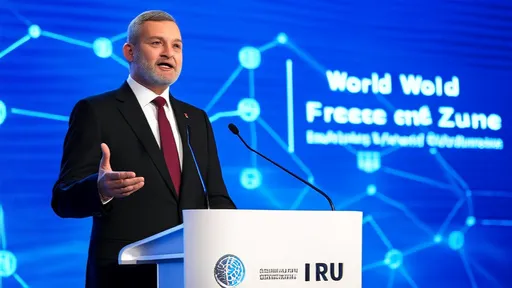
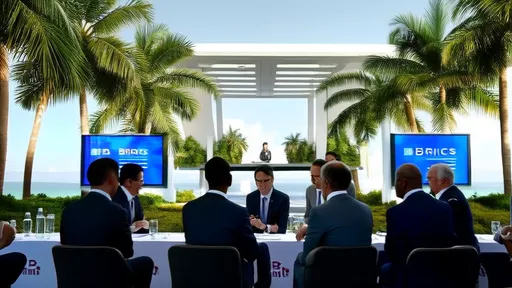
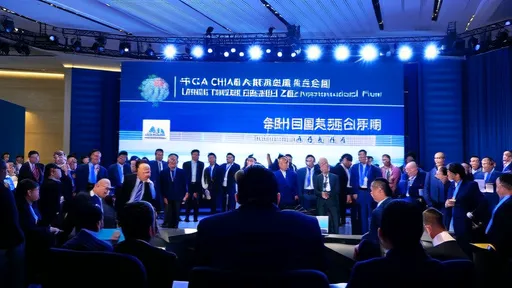
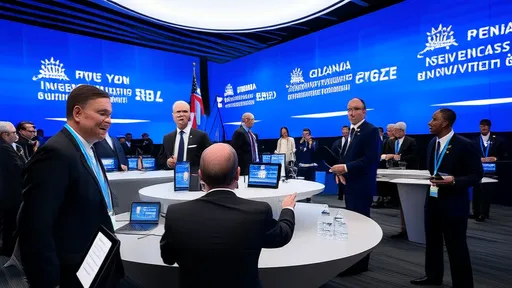
The World Free Zone Organization's annual conference has emerged as a pivotal platform where China is steadily reshaping international conversations about special economic zones. As the global economy navigates unprecedented challenges, China's sophisticated approach to free zone development offers compelling alternatives to traditional models. The country's participation in these international dialogues represents more than mere attendance—it signifies a strategic repositioning within global economic governance structures.
China's evolving role at the World Free Zone Conference reflects its broader economic transformation. Where Chinese delegates once primarily observed international best practices, they now frequently lead discussions on innovative zone management, digital integration, and sustainable development. This shift mirrors China's journey from implementing others' models to creating distinctive approaches that blend state coordination with market mechanisms. The sophistication of China's contributions demonstrates how thoroughly the country has mastered the complexities of special economic zone governance.
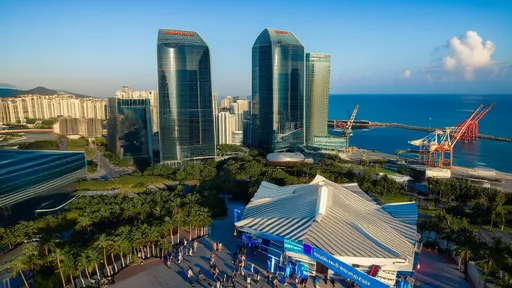
The depth of China's free zone experience provides substantial credibility to its international contributions. With decades of development across various zone models—from the pioneering Shenzhen Special Economic Zone to newer high-tech and free trade zones—China possesses practical knowledge spanning initial planning through mature operation. This comprehensive understanding enables Chinese representatives to address not just theoretical frameworks but practical implementation challenges that resonate with developing and developed economies alike.
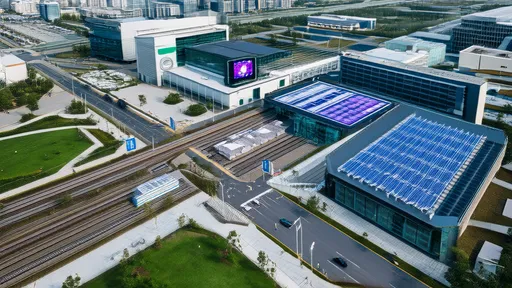
Chinese free zones have become living laboratories for economic innovation, testing approaches that balance openness with regulatory oversight. The country's experimentation with digital customs clearance, cross-border e-commerce regulations, and financial services liberalization within controlled environments offers valuable case studies for international audiences. These practical innovations, shared at global forums, position China as a source of workable solutions rather than just theoretical propositions.
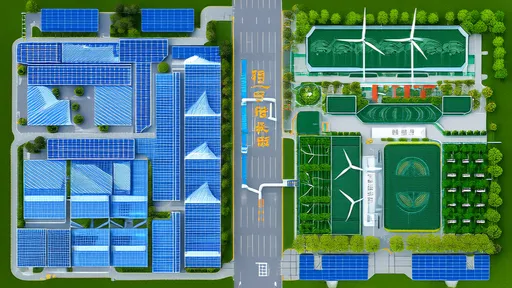
The integration of sustainability principles into China's free zone development has particularly enhanced its international standing. Recent Chinese contributions to global discussions have emphasized green zone development, circular economy applications, and low-carbon operational standards. This focus aligns with growing international priorities while demonstrating China's capacity to address contemporary challenges through its zone policies. The concrete examples of environmental standards implementation provide tangible evidence of China's commitment to sustainable economic development.
China's Belt and Road Initiative has created natural pathways for extending its free zone influence. As Chinese companies establish operations in economic zones along the route, they carry with them operational practices and governance approaches refined in domestic zones. This organic transfer of knowledge creates receptive audiences for China's perspectives at international forums. Many participating countries seek to understand the Chinese approaches that their own zones are beginning to adopt through commercial partnerships.
The professionalization of China's free zone management contributes significantly to the substance of its international contributions. Unlike many countries where zone administration remains fragmented, China has developed specialized institutions with deep expertise in zone governance. These organizations systematically study international practices while refining domestic approaches, creating knowledge ecosystems that produce genuinely valuable insights for global discussions. The research emerging from these institutions increasingly informs international understanding of zone development dynamics.
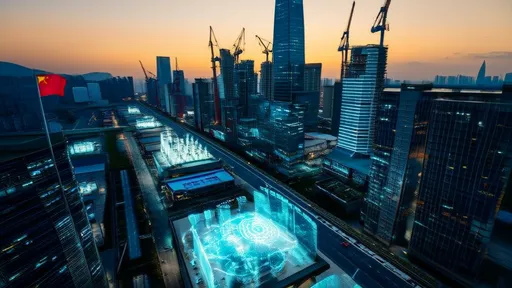
China's digital transformation initiatives within its free zones command particular international attention. The integration of blockchain technology for trade facilitation, artificial intelligence for customs processing, and comprehensive digital governance systems represents cutting-edge applications that many countries aspire to implement. By sharing these technological advancements at global conferences, China positions itself at the forefront of next-generation zone management while demonstrating practical solutions to common operational challenges.
The growing presence of Chinese academic institutions in free zone research has strengthened the theoretical foundation of the country's international contributions. Chinese universities have established specialized research centers focusing on special economic zones, producing substantive analysis that informs global scholarship. This academic engagement provides depth to China's conference participation, moving beyond operational experiences to contribute to conceptual frameworks that shape how the international community understands zone development.
China's emphasis on mutual learning rather than prescription enhances the receptivity to its perspectives. Unlike some historical approaches to international development assistance, Chinese representatives typically frame their contributions as sharing experiences rather than advocating specific models. This posture of collaborative learning creates more open engagement with other participants who appreciate the practical orientation of China's examples without feeling pressured to adopt particular systems.
The alignment of China's free zone development with broader global trends has naturally elevated its voice in international discussions. As zones worldwide increasingly focus on quality rather than quantity of investment, environmental standards, and technological integration, China's recent experiences directly address these priorities. This relevance ensures that China's conference contributions speak to current concerns rather than historical approaches, making them more valuable to the international community.
China's comprehensive approach to zone development addresses the full ecosystem rather than isolated incentives. International participants show growing interest in how Chinese zones integrate industrial planning, infrastructure development, human capital formation, and regulatory innovation into cohesive systems. This holistic perspective contrasts with narrower approaches focused primarily on tax advantages, offering more sustainable development paradigms that resonate with countries seeking long-term zone success.
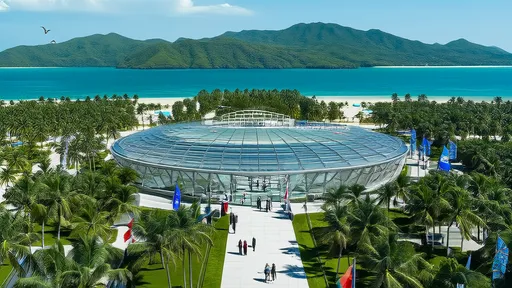
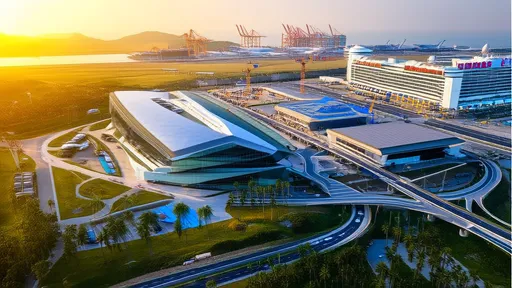
The diversity of China's zone experiments provides multiple reference points for different international contexts. From the manufacturing-focused zones that powered initial export growth to the innovation districts fostering technology development and the border zones facilitating cross-border cooperation, China's varied approaches offer relevant examples for countries at different development stages. This breadth enables Chinese representatives to engage meaningfully with diverse international participants facing distinct challenges.
China's increasing role in shaping international free zone standards represents perhaps the most significant aspect of its growing influence. As global organizations develop guidelines for zone operation, sustainability metrics, and digital standards, Chinese experts contribute both technical expertise and practical implementation experience. This participation ensures that emerging international frameworks reflect the realities of zone operation rather than just theoretical ideals, creating more practical and widely-adopted standards.
The future trajectory suggests China's voice in international free zone discussions will continue to strengthen. As Chinese zones tackle increasingly sophisticated challenges—from data governance to climate resilience—they generate new knowledge relevant to global audiences. Simultaneously, China's growing investments in international zones create natural platforms for exchanging practices and refining approaches through cross-border learning. This virtuous cycle of domestic innovation and international engagement positions China as an enduring influence in how the world conceptualizes and operates special economic zones.
Ultimately, China's rising profile in global free zone discourse reflects broader shifts in economic influence and knowledge production. The country has transitioned from importing economic development concepts to exporting refined approaches tested through extensive practical application. This evolution represents not just China's growing economic stature but its increasing contribution to global economic knowledge—a development with profound implications for how special economic zones evolve worldwide in the coming decades.
By /Oct 10, 2025
By /Oct 10, 2025
By /Oct 10, 2025
By /Oct 10, 2025
By /Oct 10, 2025
By /Oct 10, 2025
By /Oct 10, 2025
By /Oct 10, 2025
By /Oct 10, 2025
By /Oct 10, 2025
By /Oct 10, 2025
By /Oct 10, 2025
By /Oct 10, 2025
By /Oct 10, 2025
By /Oct 10, 2025
By /Oct 10, 2025
By /Oct 10, 2025
By /Oct 10, 2025

By /Oct 10, 2025

By /Oct 10, 2025
