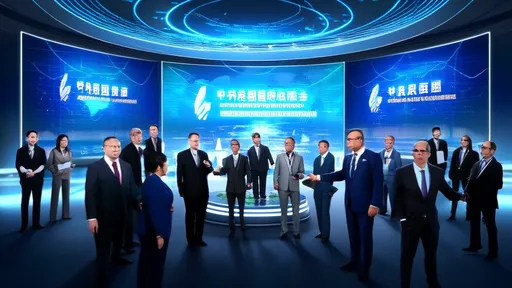
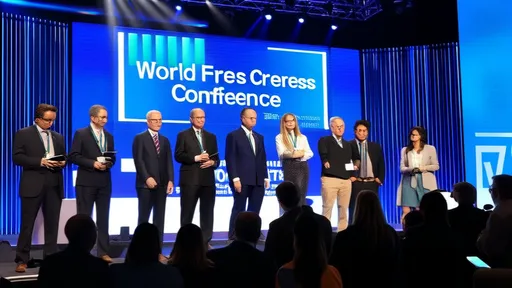
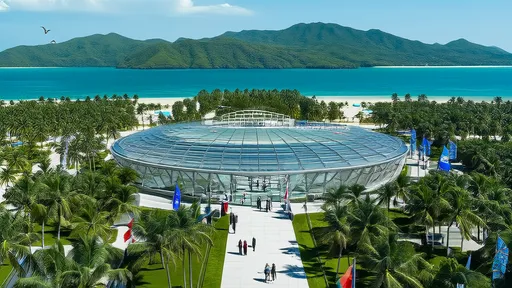
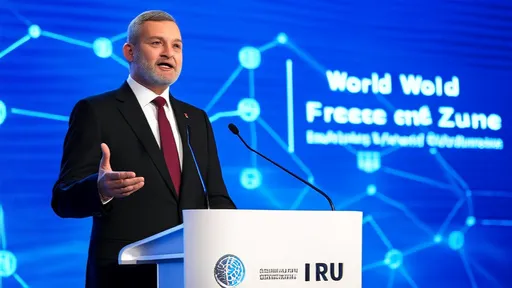
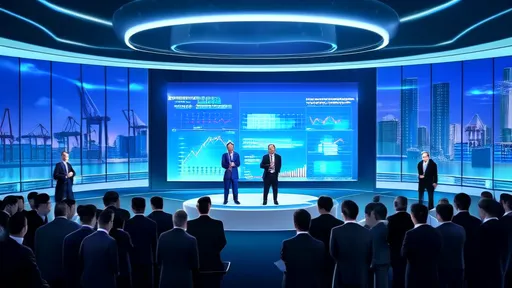
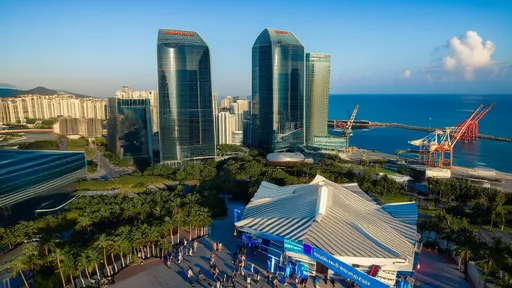
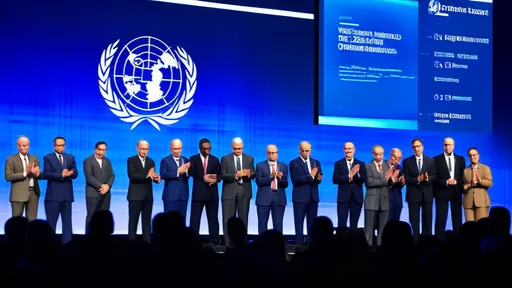
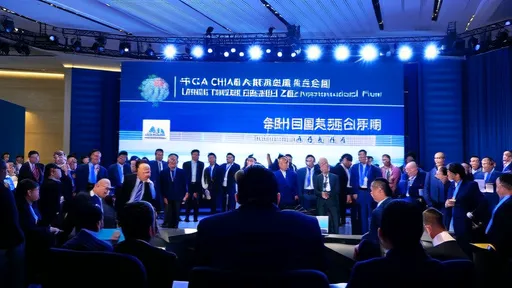
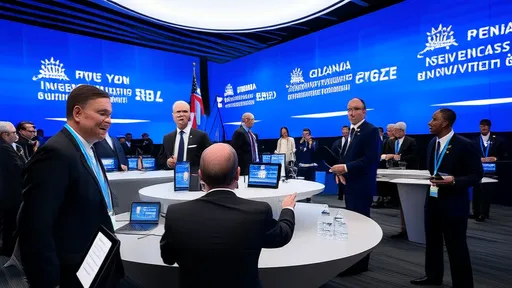
The tropical island of Hainan, once known primarily for its pristine beaches and luxury resorts, has now emerged as a global talking point in economic circles. The ambitious Hainan Free Trade Port (FTP) initiative has captured international attention, becoming a central focus at the recent World Free Zones Organization (World FZO) annual conference. What began as China's southernmost province is rapidly transforming into what experts are calling "the world's largest free trade port," offering valuable lessons in economic liberalization and innovative governance.
From Tropical Paradise to Economic Laboratory
When China announced the Hainan Free Trade Port plan in 2018, many international observers viewed it as another special economic zone experiment. However, the scale and scope of the initiative quickly distinguished it from previous models. Covering the entire 35,400 square kilometer island—larger than Belgium—the Hainan FTP represents the most comprehensive free trade port system China has ever established. The timing of this development, amidst global trade tensions and pandemic-related disruptions, has made its progress particularly significant to international economic forums.
Delegates at the World FZO conference expressed particular interest in Hainan's unique "whole island approach" to free port development. Unlike traditional free zones that operate within confined geographical boundaries, Hainan's model integrates urban and rural areas, agricultural and industrial sectors, and coastal and inland regions into a single, cohesive free trade ecosystem. This comprehensive approach addresses one of the common criticisms of free zones—that they create economic bubbles disconnected from the broader national economy.
Innovative Policy Framework Draws International Scrutiny
The policy innovations emerging from Hainan have become case studies for free zone experts worldwide. The FTP's negative list management system, which specifies sectors where foreign investment remains restricted while permitting entry everywhere else, represents a significant departure from traditional approval-based systems. This approach has reduced administrative barriers while maintaining necessary oversight, creating what conference panelists described as "managed openness with Chinese characteristics."
Tax policies have generated perhaps the most discussion among international observers. The Hainan FTP offers a corporate income tax rate of 15% for qualifying enterprises—considerably lower than China's standard 25% rate. Additionally, individual income tax for high-end talent is capped at 15%, creating attractive conditions for skilled professionals. These measures, combined with exemptions on import duties, value-added taxes, and consumption taxes for certain goods, create a competitive fiscal environment that rivals established free ports like Singapore and Dubai.
Customs innovations have also drawn significant attention. The "first-line liberalization, second-line control" model allows for relatively free movement of goods between Hainan and international markets while maintaining regulatory oversight on trade between Hainan and mainland China. This dual-gate system balances openness with security concerns, offering a template for other large economies considering similar initiatives.
Digital Transformation and Smart Governance
Hainan's embrace of digital governance has positioned it as a leader in administrative efficiency. The "single window" system for international trade integrates customs, inspection, quarantine, and maritime affairs into a unified digital platform, reducing processing times from days to hours. This digital infrastructure has been particularly valuable during the COVID-19 pandemic, enabling continued trade operations despite global disruptions.
The province's investment in blockchain technology for supply chain management and financial services has also attracted international interest. Several conference sessions focused on Hainan's blockchain-based cross-border trade financing platform, which has reduced transaction times and costs while increasing transparency. These technological applications demonstrate how free zones can leverage digital tools to enhance their competitive advantage.
Environmental considerations integrated into Hainan's development strategy have resonated with global sustainability trends. The province has implemented strict ecological red lines, protecting 30% of its land area from development. This commitment to environmental protection while pursuing economic growth offers a model for balancing development with conservation—a challenge facing free zones worldwide.
Lessons in Phased Implementation and Risk Management
International experts have praised Hainan's gradual, phased approach to liberalization. Rather than implementing all reforms simultaneously, the FTP has rolled out policies in stages, allowing for testing and adjustment. This methodical progression has enabled authorities to identify potential issues early and develop targeted solutions, reducing implementation risks.
The risk management framework developed for the FTP has been particularly instructive for other large-scale free zone projects. Hainan has established comprehensive monitoring systems to track financial stability, data security, and market秩序. These safeguards address common concerns about free zones potentially facilitating illicit financial flows or undermining regulatory standards.
Human capital development strategies have also drawn significant interest. Hainan's focus on attracting international talent through streamlined visa procedures, professional certification recognition, and lifestyle amenities demonstrates how free zones can address skill gaps while fostering cosmopolitan environments. The province's success in reversing brain drain—attracting both Chinese returnees and international experts—offers valuable insights for regions struggling with talent retention.
Global Connectivity and South-South Cooperation
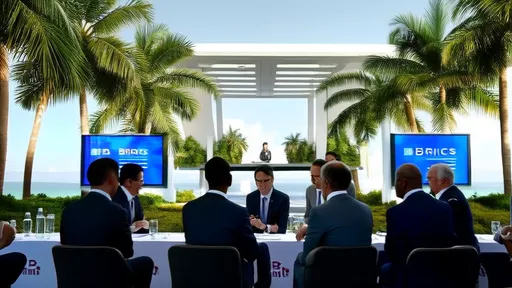
Hainan's strategic positioning within the Regional Comprehensive Economic Partnership (RCEP) and its connections to Belt and Road Initiative countries have enhanced its relevance to global trade networks. Conference participants from Southeast Asia and Africa expressed particular interest in how Hainan could serve as a gateway between Chinese markets and their own economies.
The focus on developing Hainan as an international tourism and consumption center has implications beyond traditional trade. By creating attractive conditions for offshore business, cross-border e-commerce, and healthcare tourism, Hainan is pioneering a diversified economic model that could be adapted by other island economies and coastal regions.
Cultural and educational exchanges facilitated through the FTP have also garnered attention. The establishment of international schools, branches of foreign universities, and cultural institutions has created soft power benefits that complement economic objectives. This comprehensive approach to international engagement offers lessons in how free zones can foster people-to-people connections alongside commercial relationships.
Challenges and Future Directions
Despite its successes, Hainan faces ongoing challenges that provide learning opportunities for other free zones. Infrastructure development, while impressive, must continue to keep pace with rapid growth. The need to balance local community interests with international business priorities remains an ongoing consideration. Additionally, geopolitical tensions create headwinds that could affect the FTP's international integration.
Looking forward, Hainan's experience with data cross-border transfer security management, offshore innovation, and green finance could shape global standards in these emerging areas. The province's experimentation with new forms of international judicial cooperation and dispute resolution may also influence how free zones handle legal complexity in an interconnected world.
Conclusion: A New Model for Comprehensive Free Zones
The international focus on Hainan at the World FZO conference reflects broader shifts in global economic governance. As traditional free trade models face challenges from protectionism and supply chain fragmentation, Hainan's comprehensive approach offers an alternative path. Its combination of bold liberalization with sophisticated risk management, technological innovation with environmental protection, and global ambition with local development provides a multifaceted case study for policymakers worldwide.
While the Hainan Free Trade Port remains a work in progress, its current trajectory suggests it will continue to influence global discussions about free zones, economic integration, and development strategy. As one conference delegate noted, "Hainan isn't just building a free trade port—it's designing the future of special economic zones." The world will be watching closely as this ambitious experiment continues to unfold, potentially reshaping how nations approach economic openness in the 21st century.
By /Oct 10, 2025
By /Oct 10, 2025
By /Oct 10, 2025

By /Oct 10, 2025
By /Oct 10, 2025
By /Oct 10, 2025
By /Oct 10, 2025
By /Oct 10, 2025
By /Oct 10, 2025
By /Oct 10, 2025
By /Oct 10, 2025
By /Oct 10, 2025
By /Oct 10, 2025
By /Oct 10, 2025
By /Oct 10, 2025
By /Oct 10, 2025
By /Oct 10, 2025
By /Oct 10, 2025

By /Oct 10, 2025

By /Oct 10, 2025
