Ministerial Joint Communiqué Issued at the World Free Zone Organization Conference, Clarifying Future Development Strategy

Oct 10, 2025 By

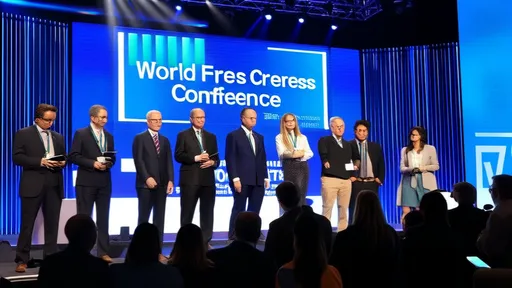
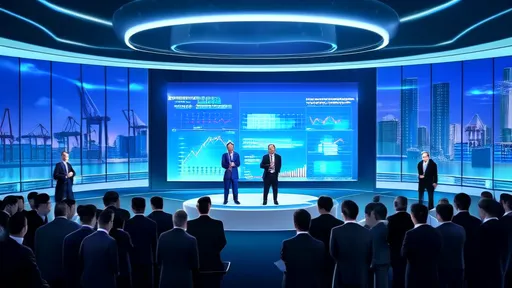
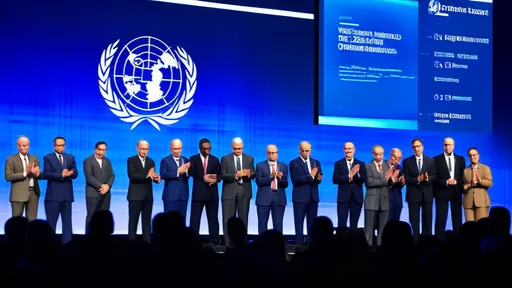
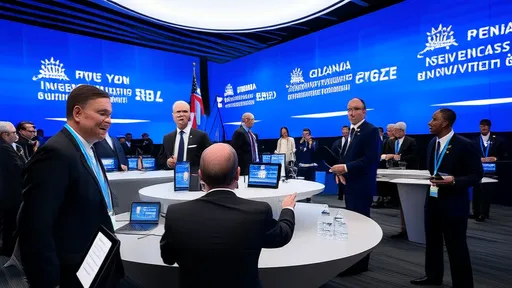
The recent World Free Zones Organization conference concluded with a landmark ministerial joint communique that charts a transformative course for special economic zones globally. Against a backdrop of shifting trade patterns and technological disruption, the document represents a fundamental reimagining of how these economic enclaves will operate in the coming decades.


Trade ministers and zone authorities from across the world gathered to address what many described as an existential moment for free zones. The traditional model of tax incentives and low-cost manufacturing, while still relevant, no longer suffices in an era defined by digital transformation, sustainability imperatives, and supply chain resilience. The communique acknowledges this reality with unprecedented candor, signaling a departure from business-as-usual approaches.


The strategic framework outlined in the document rests on three interconnected pillars that will redefine the purpose and operation of special economic zones worldwide. Rather than incremental adjustments, the vision calls for comprehensive transformation across regulatory, technological, and environmental dimensions. This represents the most significant shift in free zone philosophy since their modern proliferation began decades ago.


Digital integration emerges as the cornerstone of the new strategy. The communique mandates that all member zones develop comprehensive digital transformation roadmaps within the next eighteen months. These must include implementation of blockchain for customs clearance, artificial intelligence for logistics optimization, and Internet of Things platforms for real-time monitoring of zone operations. The emphasis on digital infrastructure reflects growing recognition that technological capability now determines competitive advantage more than traditional factors like labor costs.


What makes this digital mandate particularly noteworthy is its specificity. The document outlines minimum technical standards for data interoperability between zones, creating what officials describe as a "digital free zone corridor" that will streamline cross-border operations. This represents a significant step toward creating seamless digital ecosystems that transcend physical boundaries, potentially revolutionizing how businesses operate across multiple jurisdictions.


Sustainability commitments in the communique go beyond previous environmental guidelines. Member zones must achieve carbon neutrality by 2035 through mandatory renewable energy adoption, circular economy implementation, and strict emissions monitoring. The requirements include detailed reporting mechanisms and independent verification, addressing criticism that previous sustainability initiatives lacked accountability measures.


The environmental provisions also introduce innovative concepts like "ecological value accounting" that requires zones to measure and report their natural capital impacts. This represents a fundamental shift from viewing environmental compliance as a cost center to recognizing ecosystem services as valuable economic assets. Several ministers noted that this approach aligns free zone development with broader climate commitments while creating new green business opportunities.


Regulatory harmonization receives unprecedented attention in the strategic framework. The communique calls for the establishment of common standards across participating zones, reducing administrative burdens that have long plagued cross-zone operations. This includes standardized customs procedures, unified certification requirements, and mutual recognition of regulatory approvals between member jurisdictions.


The depth of proposed regulatory cooperation surprised many observers. Beyond procedural alignment, the framework envisions creating what it terms "regulatory sandboxes" where zones can collaboratively test innovative governance approaches for emerging technologies and business models. This experimental dimension acknowledges that regulatory frameworks must evolve alongside technological and economic developments rather than lag behind them.


Workforce development emerges as a critical component of the strategic vision. The communique emphasizes that future competitiveness depends on human capital as much as physical infrastructure. Member zones must establish partnerships with educational institutions to develop specialized training programs focused on digital skills, advanced manufacturing techniques, and sustainable operations management.


The human capital provisions reflect concerns about technological displacement while recognizing new opportunities created by the digital transition. Several ministers highlighted the importance of creating "future-proof" employment opportunities that leverage human creativity and problem-solving abilities rather than competing with automation on routine tasks. This represents a significant evolution in how free zones conceptualize their role in regional development beyond mere job creation.


Implementation mechanisms outlined in the communique demonstrate serious commitment to turning vision into reality. The framework establishes clear milestones, monitoring protocols, and reporting requirements with consequences for non-compliance. This operational rigor distinguishes the current initiative from previous declarations that often lacked enforcement mechanisms.


The establishment of a permanent implementation committee with technical assessment capabilities signals institutional commitment to the strategy's execution. The committee will publish annual progress reports and provide technical assistance to zones struggling with specific aspects of implementation. This support function recognizes that transformation requires not just mandates but capacity building.


Global reaction to the communique has been broadly positive, though with notable variations across regions. Developed economy zones generally welcome the emphasis on digitalization and sustainability, seeing alignment with their existing transition efforts. Meanwhile, some developing economy representatives expressed concerns about implementation costs and technical capacity constraints.


Industry associations have responded cautiously optimistically. While praising the strategic direction, several groups have called for more detailed guidance on implementation timelines and financial support mechanisms. The balance between ambitious targets and practical realities remains a central challenge that the implementation committee will need to address.


The communique's implications extend beyond free zones themselves to global trade architecture. By creating higher standards for digital integration, environmental performance, and regulatory coherence, the framework could establish new benchmarks that influence broader trade agreements and economic partnership negotiations.


Several trade experts noted that the initiative represents a bottom-up approach to trade governance, with practical experimentation in specialized zones potentially informing broader policy reforms. This laboratory function has historically been one of the most valuable contributions of special economic zones, and the current framework appears designed to maximize this potential.


Looking forward, the success of this ambitious strategy will depend on several factors beyond the control of zone authorities themselves. Global economic conditions, technological development trajectories, and international political stability will all influence implementation. However, the clarity of vision and specificity of commitments represent significant progress compared to previous declarations.


The coming months will see intensive planning activities as zones develop their individual transformation roadmaps. The implementation committee's first assessment, scheduled for next year, will provide crucial early indicators of whether the vision is translating into concrete action. Meanwhile, businesses operating within free zones are already reassessing their own strategies in light of the new framework.


What emerges most clearly from the communique is recognition that free zones must evolve from isolated economic enclaves to integrated nodes in global networks. The success of this transformation will determine not just the future of special economic zones but could provide valuable lessons for economic development strategies more broadly. As one minister noted during the closing session, "We are not just redesigning zones - we are prototyping the future of international economic cooperation."


The comprehensive nature of the strategic framework reflects lessons learned from previous economic transformations. Rather than addressing challenges in isolation, the approach recognizes the interconnectedness of digital, environmental, and regulatory dimensions. This systemic perspective may prove to be the communique's most enduring contribution to how policymakers conceptualize economic development in an increasingly complex global landscape.


Recommend Posts
Business

China Free Trade Zone Export Processing Zone Association: Promoting Comprehensive Bonded Zones to Link Global Resources

By /Oct 10, 2025

The China Free Trade Zone Export Processing Zone Association has been spearheading a quiet revolution in global trade connectivity, positioning comprehensive bonded zones as critical nodes in the international supply chain. These specialized economic areas, once perceived merely as tax-advantaged storage facilities, have evolved into sophisticated hubs that facilitate seamless integration between Chinese manufacturing capabilities and global market demands.
Business

Executive Leadership Program Showcases at World Free Zone Conference, Cultivating Future Industry Leaders

By /Oct 10, 2025

The global stage of the World Free Zone Organization (World FZO) Annual International Conference and Exhibition witnessed a significant moment for executive development as the industry's premier leadership program made its debut before an international audience of trade zone professionals, policymakers, and economic strategists. The unveiling was not merely the presentation of a new curriculum but a strategic declaration of intent to address one of the most pressing challenges facing the special economic zones sector: the cultivation of a new generation of visionary leaders equipped to navigate an era of unprecedented complexity.
Business

Global Leaders Converge in Hainan to Shape Future of Free Trade Zones

By /Oct 10, 2025

The coastal province of Hainan witnessed an unprecedented gathering this week as representatives from over seventy nations assembled at the Boao Forum for Asia to deliberate on the evolution of free trade zones. Against the backdrop of lingering global economic uncertainties and shifting trade dynamics, this congregation marks a pivotal moment in international economic cooperation. The three-day summit, themed "Free Trade Zones as Engines of Global Prosperity," brought together trade ministers, policy architects, corporate leaders, and academic experts in what many participants described as the most significant multilateral dialogue on trade facilitation since the pandemic.
Business

China's Growing Influence in Global Free Zones Discourse

By /Oct 10, 2025

The World Free Zone Organization's annual conference has emerged as a pivotal platform where China is steadily reshaping international conversations about special economic zones. As the global economy navigates unprecedented challenges, China's sophisticated approach to free zone development offers compelling alternatives to traditional models. The country's participation in these international dialogues represents more than mere attendance—it signifies a strategic repositioning within global economic governance structures.
Business

Secretary-General of the International Road Transport Union Delivers Keynote Speech at World Free Zone Conference

By /Oct 10, 2025

The World Free Zones Organization annual conference opened today with a powerful keynote address from Umberto de Pretto, Secretary General of the International Road Transport Union (IRU), who delivered a compelling vision for the future of global trade corridors and their relationship with special economic zones.
Business

Free Trade Zone Conference Focuses on the Transformation and Development Practice of China's Free Trade Ports

By /Oct 10, 2025

The global economic landscape is witnessing a profound transformation, and at the heart of this shift are China's burgeoning Free Trade Ports (FTPs). As the world's free zone community gathers for its annual congress, the development trajectory of these ports has emerged as a subject of intense international scrutiny and admiration. Far from being mere replicas of traditional special economic zones, China's FTPs represent a sophisticated, multi-layered experiment in trade liberalization, regulatory innovation, and economic integration.
Business

Hainan Free Trade Port Construction Experience Becomes a Focus Topic at the World Free Zone Conference

By /Oct 10, 2025

The tropical island of Hainan, once known primarily for its pristine beaches and luxury resorts, has now emerged as a global talking point in economic circles. The ambitious Hainan Free Trade Port (FTP) initiative has captured international attention, becoming a central focus at the recent World Free Zones Organization (World FZO) annual conference. What began as China's southernmost province is rapidly transforming into what experts are calling "the world's largest free trade port," offering valuable lessons in economic liberalization and innovative governance.
Business

Ministerial Joint Communiqué Issued at the World Free Zone Organization Conference, Clarifying Future Development Strategy

By /Oct 10, 2025

The recent World Free Zones Organization conference concluded with a landmark ministerial joint communique that charts a transformative course for special economic zones globally. Against a backdrop of shifting trade patterns and technological disruption, the document represents a fundamental reimagining of how these economic enclaves will operate in the coming decades.
Business

BRICS Free Trade Zone Conference Convened in Hainan to Explore New Paths for Emerging Market Cooperation

By /Oct 10, 2025

The coastal city of Haikou in China's Hainan province recently played host to a significant gathering of economic strategists and policymakers from across the global south. The BRICS Free Zone Conference, held against the backdrop of Hainan's own ambitious free trade port development, brought together delegates from Brazil, Russia, India, China, and South Africa, alongside representatives from newer member nations and observer states. The atmosphere throughout the conference was one of determined optimism, a collective recognition that the traditional pathways to economic cooperation are no longer sufficient for the unique challenges and opportunities facing emerging markets.
Business

Digital Comprehensive Bonded Zone and Green Comprehensive Bonded Zone: Clear Direction for the Transformation of China's Comprehensive Bonded Zones

By /Oct 10, 2025

China's comprehensive bonded zones are undergoing a profound transformation as the nation charts a new course for economic development. These specialized economic zones, once primarily focused on export processing and trade facilitation, are now evolving into sophisticated hubs that integrate digital innovation with environmental sustainability. The dual transformation toward digital and green comprehensive bonded zones represents a strategic shift in China's approach to global trade and domestic economic restructuring.
Business

The First China Comprehensive Free Trade Zone Development International Forum Held

By /Oct 10, 2025

The inaugural International Forum on China Comprehensive Free Trade Zone Development concluded last week in Beijing, marking a significant milestone in China's ongoing efforts to share its development model with global partners. Against the backdrop of rising protectionism and global economic uncertainty, this forum served as a powerful platform for showcasing China's unique approach to economic transformation through specialized trade zones.
Business

Hainan Showcases Key Projects Including Airports and Duty-Free at World Free Zone Conference

By /Oct 10, 2025

Against the backdrop of the World Free Zone Organization conference, Hainan has launched an ambitious campaign to position itself as a global economic hub, showcasing a series of strategic projects that promise to redefine its role in international trade and tourism. The tropical island province, already China's largest special economic zone, is leveraging this prestigious platform to attract foreign investment and expertise for its rapidly expanding infrastructure and commercial initiatives.
Business

Free Zone as a Driving Force in Global Technological Transformation and Supply Chain Reshaping"

By /Oct 10, 2025

In the shifting landscape of global technology and supply chain dynamics, free zones are emerging as unexpected but powerful catalysts for change. These specialized economic areas, once viewed primarily as tax havens or logistical conveniences, have transformed into vibrant ecosystems where innovation meets efficiency. As companies worldwide grapple with technological disruption and supply chain vulnerabilities, free zones offer a unique blend of regulatory flexibility, infrastructure readiness, and collaborative potential that positions them at the forefront of this transformation.
Business

Hainan Airport Network and Air Cargo Business Seek Cooperation through Free Trade Zone Conference

By /Oct 10, 2025

Against the backdrop of the global economic recovery, the Free Zone World Conference has become a pivotal platform for international trade and logistics cooperation. Hainan Airport, leveraging its strategic geographical advantages and policy support, is actively expanding its route network and developing its air cargo business. The conference provides an ideal opportunity for Hainan Airport to showcase its potential and seek partnerships with global industry leaders.
Business

Global Free Trade Zone Conference Approaches, Haikou Hainan International Convention and Exhibition Center Ready for Event

By /Oct 10, 2025

HAIKOU, China – The coastal city of Haikou is buzzing with anticipation as final preparations are completed at the Hainan International Convention and Exhibition Center for the upcoming Global Free Zone Conference. Against the backdrop of Hainan's ambitious free trade port development, this gathering represents a pivotal moment for international trade specialists, policymakers, and economic strategists from across the globe.
Business

The Evolution of Free Zones: From Trade Promotion to Dynamic Cross-Border Ecosystems

By /Oct 10, 2025

The transformation of free zones represents one of the most significant developments in global economic policy over the past half-century. What began as simple enclaves for tariff-free manufacturing and trade has evolved into sophisticated ecosystems driving innovation, international cooperation, and regional development. This evolution reflects broader shifts in how nations approach economic growth, international trade, and global supply chain integration.
Business

Transition of Free Trade Zones: From Trade Enclaves to Innovation Ecosystems Driving Diversified Development

By /Oct 10, 2025

Free zones, once perceived as isolated trade enclaves, are undergoing a profound transformation. These designated areas, traditionally established to boost exports and attract foreign investment through tax incentives and streamlined regulations, are now evolving into dynamic innovation ecosystems. This shift marks a significant departure from their original purpose, positioning free zones as catalysts for broader economic diversification and sustainable development.
Business

Foreign Investment Project Matching Meeting Held, Organizing Key Comprehensive Bonded Zones for One-on-One" Negotiations with Global Enterprises

By /Oct 10, 2025

In a significant move to strengthen global economic ties, a landmark foreign investment project matchmaking conference concluded yesterday, bringing together key comprehensive bonded zones with international corporations for intensive one-on-one negotiations. The event, held at the city's convention center, marked a pivotal moment in cross-border economic cooperation as government officials and business leaders gathered to forge new partnerships.
Business

Global Free Zone Leaders Converge in Hainan for Unprecedented Dialogue

By /Oct 10, 2025

The tropical island of Hainan transformed into an epicenter of global economic discourse this week as policymakers, investors, and free zone specialists from across the world gathered for what many are calling the most significant free zone forum of the decade. Against the backdrop of Hainan's own ambitious free trade port development, the three-day summit brought together voices from Dubai to Singapore, Miami to Rotterdam, creating a melting pot of ideas that could reshape international trade corridors for years to come.
Business

Global Free Zone Conference Exhibition Area Inauguration Showcases Innovative Achievements and Business Opportunities

By /Oct 10, 2025

The Global Free Zones Congress exhibition hall buzzed with an electric energy as delegates from over 140 countries gathered for the ceremonial unveiling of this year's innovation showcase. Against a backdrop of shimmering digital displays and interactive installations, the air thickened with the palpable sense of a new economic dawn. This was not merely another trade exhibition; it was a carefully curated panorama of the future, a tangible manifestation of how specialized economic zones are evolving from mere facilitators of trade into powerful engines of global innovation and symbiotic partnership.